
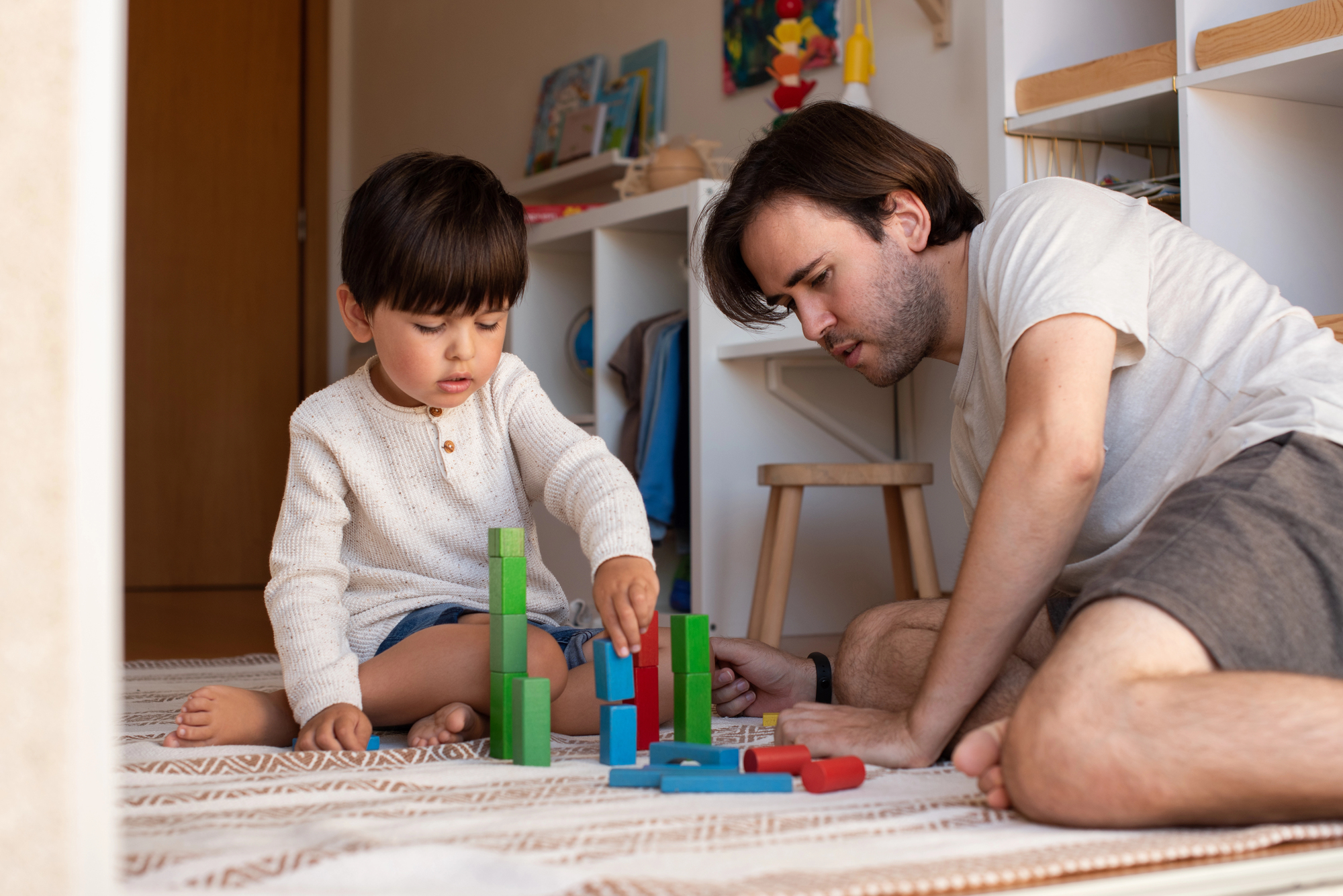
The Importance of Consistent Monthly Family Training in Autism Support
For families navigating the world of autism therapy, progress doesn’t happen in isolation. The most meaningful gains come when parents, caregivers, and therapists work together — reinforcing the same strategies, expectations, and communication approaches across settings. That’s where consistent monthly family training becomes a cornerstone of effective ABA therapy.
At Achievement Balance, family collaboration is not just encouraged — it’s built into our philosophy. Parent training sessions give families the confidence and tools to help their child continue learning and thriving beyond the therapy setting.
Why Consistency Matters?
Every child learns best when their environment feels predictable and consistent. For children receiving Applied Behavior Analysis (ABA) therapy, that consistency starts at home. Monthly family training gives parents regular opportunities to stay aligned with therapy goals, track progress, and make small but powerful adjustments that keep development on track.
When sessions happen regularly — not just occasionally — parents remain actively involved in decision-making, understand the reasoning behind behavioral strategies, and gain insight into how to respond effectively to challenges as they arise. This steady rhythm helps families build long-term confidence rather than reacting to behaviors in the moment.
What “Informal” Training Really Means?
Informal family training doesn’t mean unstructured. It means the approach feels comfortable, collaborative, and responsive to the family’s real-life needs.
Instead of sitting through a classroom-style session, parents might discuss current challenges with their child’s BCBA, role-play strategies, or observe how therapists prompt skills during natural routines. Sessions are practical, flexible, and centered on helping families apply strategies in ways that feel realistic at home, in the community, and at school.
The goal is simple — to bridge therapy and daily life through approachable, repeatable strategies parents can confidently use every day.
Building Parent Confidence and Child Independence
One of the most valuable outcomes of parent training in autism is empowerment. When parents understand why a particular strategy works — such as using positive reinforcement, prompting, or structured choices — they can apply those same techniques outside of therapy.
This consistency accelerates a child’s learning. Skills such as communication, self-regulation, or social participation become more natural when children receive the same cues and responses from all adults in their environment. Over time, this shared understanding supports both skill generalization and emotional stability.
Creating an Ongoing Partnership
Monthly family training sessions also strengthen the partnership between parents and therapists. Families bring insights that therapists might not see in the clinic — moments from home, school interactions, or new interests the child is developing.
By sharing those details, parents become co-creators in the therapy process. This ongoing collaboration helps therapists fine-tune goals and maintain a personalized, evolving plan that fits the child’s changing needs.
It’s not about “checking a box” for parent participation; it’s about making parents true partners in shaping each developmental milestone.
The Bigger Picture: Family Training as a Foundation
When parent training becomes routine, families see more than just improved behavior — they see progress that feels sustainable. Communication becomes clearer. Family routines become calmer. And children gain a sense of confidence that carries over into every new experience.
Consistency, collaboration, and compassion form the foundation of this growth — values at the heart of Achievement Balance’s approach to family training in ABA therapy.
A New Way to Stay Involved
Every child’s journey is unique, but no parent should have to walk that path without guidance. If you’re ready to feel more confident, supported, and connected to your child’s therapy progress, reach out to your clinical team and ask about adding or revisiting regular family training sessions.
Even one conversation can help you rediscover what’s working — and where small adjustments can make a big difference.