Parent Training for Challenging Behaviors: How Grandparents Can Help
For many families, grandparents play an irreplaceable role in providing love, stability, and wisdom. But when a grandchild has developmental challenges or autism, the role of grandparents can feel a little more complex. They may want to help but aren’t always sure how. At Achievement Balance, we know that when grandparents understand and participate in ABA-based parent and family training, they become powerful allies in a child’s growth and confidence.
This blog explores how grandparents can effectively support their grandchild using strategies grounded in Applied Behavior Analysis (ABA) — helping create a consistent, compassionate environment where progress thrives.
Why Family Involvement Matters in ABA Therapy?
Children on the autism spectrum or with developmental challenges benefit most when learning happens across settings — not only in therapy sessions, but also at home and within the extended family.
That’s why family training in autism and behavior management is such an essential part of our approach at Achievement Balance. Through structured parent and caregiver training, we help families:
- Understand the “why” behind behaviors
- Use consistent strategies to respond to challenging moments
- Reinforce positive behaviors at home and in the community
- Build predictable routines that promote emotional safety
Grandparents, in particular, often spend meaningful time with their grandchild. When they know how to apply the same ABA principles used in therapy, their interactions become both enjoyable and productive for the child.
Common Challenges Grandparents May Face
Grandparents may face emotional and practical challenges, especially if they’re unfamiliar with autism or developmental differences. Some may feel unsure about how to respond to behaviors that seem unusual, or they may unintentionally rely on outdated discipline methods that don’t support the child’s needs.
Here are a few common areas of uncertainty:
- Understanding communication styles — many children with developmental delays communicate differently or use alternative methods (like gestures, visuals, or devices).
- Handling meltdowns or repetitive behaviors — knowing what’s a sensory need versus a behavioral challenge.
- Finding their role in therapy — balancing support without overstepping or feeling left out.
Through ABA-informed family training, grandparents can gain clarity and confidence, learning strategies that fit both the child’s needs and the family’s values.
How ABA-Based Parent Training Helps Grandparents?
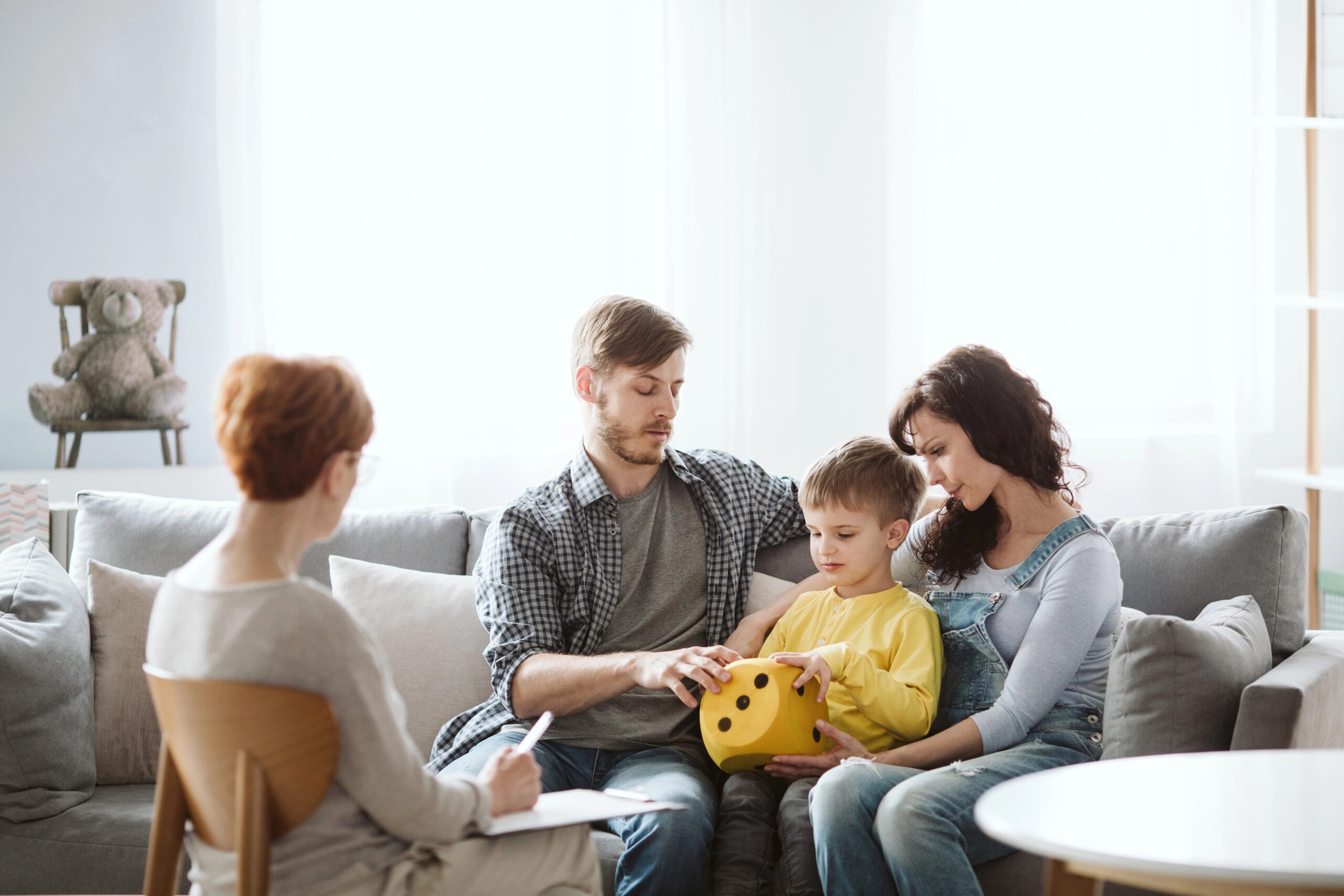
At Achievement Balance, our parent training for challenging behaviors sessions are designed to empower all caregivers — not just parents. We help families, including grandparents, learn skills that improve daily interactions and foster long-term growth.
Here’s how grandparents benefit:
- Learning the “function” of behaviors — understanding why a child acts a certain way helps reduce frustration and improves response.
- Developing calm, consistent responses — knowing when to ignore, redirect, or reinforce behavior prevents escalation.
- Practicing positive reinforcement — focusing on what the child is doing right builds motivation and confidence.
- Using structured routines — predictable activities create security and make transitions easier for the child.
- Building shared family consistency — when everyone uses the same approach, children feel supported rather than confused.
This knowledge allows grandparents to feel more involved and effective — and it helps children thrive in every environment.
Tips for Grandparents Supporting a Grandchild with Developmental Challenges
Here are simple, research-backed ways grandparents can make a big difference:
1. Stay curious and open-minded – ask questions, observe therapy sessions if invited, and learn from the BCBA or therapist.
2. Use praise and encouragement often – celebrate small successes like following directions or trying a new skill.
3. Avoid comparing or correcting – every child’s journey is unique; focus on progress, not perfection.
4. Communicate with the family – check in with parents and therapists to stay consistent with strategies being used.
5. Be patient – development takes time, and consistency matters more than speed.
Grandparents who engage in these ways often report feeling closer to their grandchild and more confident in their caregiving role.
The Achievement Balance Approach to Family Training
At Achievement Balance, our therapists recognize that family is central to a child’s success. We provide ABA-based family and parent training that equips caregivers — including grandparents — with practical, evidence-based tools to manage challenging behaviors and reinforce positive ones.
Our team works closely with families to create individualized plans that fit their routines, values, and child’s specific needs. We focus on empowerment — helping every family member feel capable and supported as part of the therapy process.
Supporting the Whole Family, Not Just the Child
When grandparents learn alongside parents, it strengthens the entire support system around the child. Together, they create a unified, compassionate, and structured environment that encourages growth, independence, and emotional connection.
At Achievement Balance, we believe progress happens faster when the whole family moves forward together.
Looking to Learn More About Family Training?
If you’re a parent or grandparent wanting to better support a child with developmental or behavioral challenges, our team can help.
Contact Achievement Balance today to learn more about our ABA-based family and parent training programs — designed to build skills, confidence, and harmony across your family.