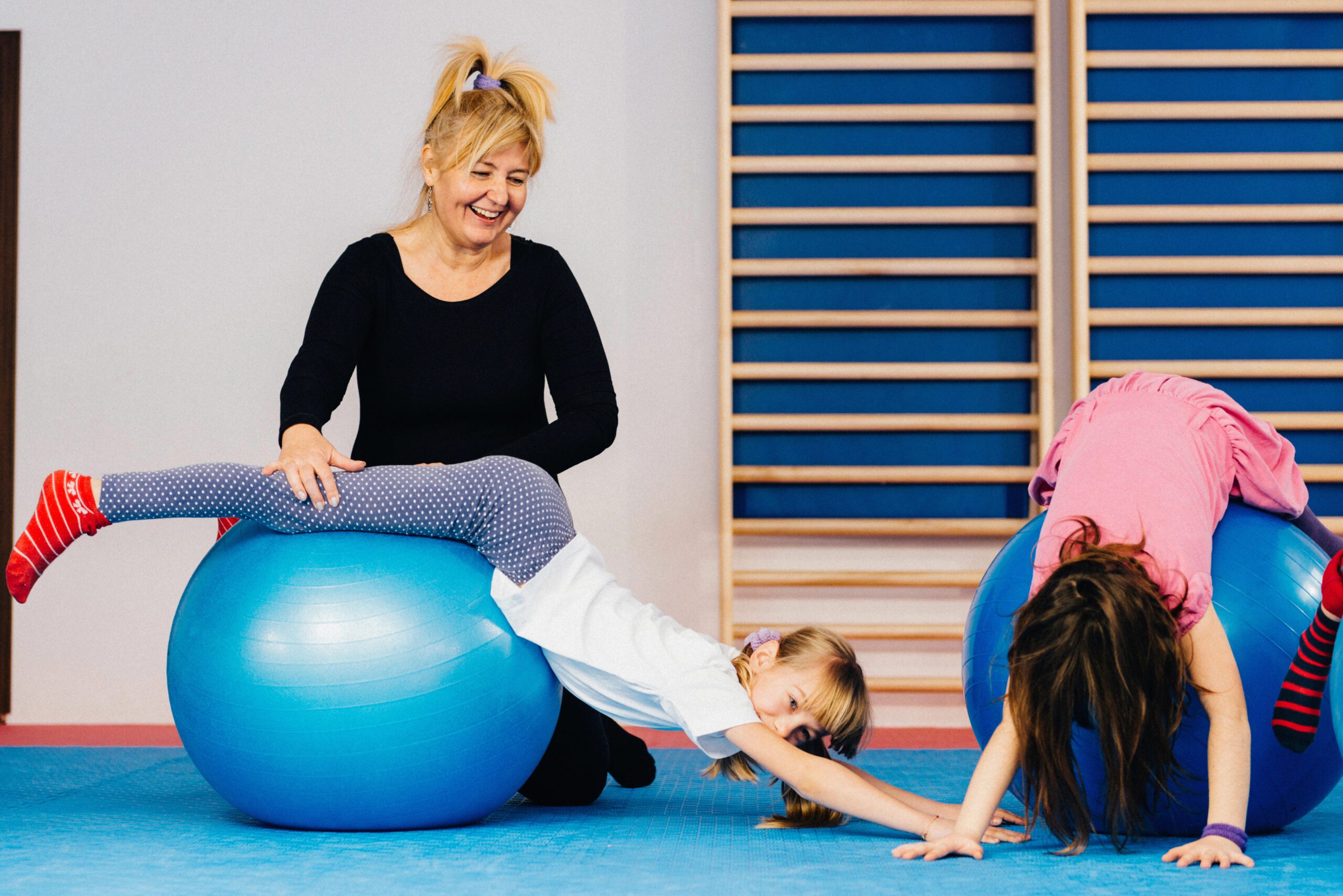

What Is Pediatric Physical Therapy?
Pediatric physical therapy is a specialized healthcare service focused on helping children improve their gross motor skills, functional mobility, and overall physical independence. Unlike physical therapy for adults, it addresses the unique needs of a developing body, utilizing engaging, play-based activities to make therapy effective for children from infancy through adolescence. Our core focus at Achievement Balance is on enhancing the physical abilities essential for daily life and confident participation in the community. This includes:- Gross Motor Skills: Developing the large muscle movements crucial for activities like running, jumping, climbing, and throwing a ball.
- Balance and Coordination: Improving stability to prevent falls, enhance fluid movement during play, and navigate different surfaces safely.
- Strength and Endurance: Building the foundational muscle strength needed for good posture, carrying a backpack, and sustaining activity throughout the school day.
- Functional Mobility: Helping a child move safely and effectively through their home, school, and community environments in the Dallas–Fort Worth area.
How Pediatric Physical Therapy in Grapevine Supports Everyday Activities
For children to thrive, skills learned in a therapeutic setting must translate seamlessly into their everyday lives. Our team at Achievement Balance focuses on preparing children to apply their developing skills in the very places they live, learn, and play in Grapevine. This ensures that every step forward in therapy leads to greater independence in the real world. Every child develops differently, which is why Achievement Balance creates individualized physical therapy plans that focus on each child’s unique strengths, challenges, and developmental goals. Through collaborative care and family involvement, therapy helps children build the movement skills needed to participate more confidently in everyday activities. Our physical therapy at Achievement Balance builds the strength and coordination needed for daily tasks and confident participation:Supporting Everyday Movement
Therapy focuses on developing gross motor skills, balance, coordination, strength, and functional mobility to help children move more confidently throughout their daily routines.Building Skills for Home, School, and Play
As children improve their physical abilities, they become better equipped to participate in everyday activities with greater independence and confidence alongside their peers.Encouraging Long-Term Independence
Through individualized treatment plans and family collaboration, our goal is to help children develop movement skills that support participation in daily life now and as they continue to grow.Common Signs Your Child May Benefit from Physical Therapy
Early intervention is vital for addressing motor development challenges before they significantly impact a child’s self-esteem and social participation. While every child develops at their own pace, certain signs may indicate that professional support from a pediatric physical therapist could be beneficial.Developmental Delays
- Not meeting key motor milestones like rolling, sitting, crawling, or walking on time.
- Appearing significantly less coordinated or athletic than their peers.
- Difficulty keeping up with friends during active play.
Movement Quality
- Frequent tripping, falling, or general clumsiness.
- Walking on toes consistently after the age of two.
- Difficulty with running, jumping, or skipping in an age-appropriate manner.
- Poor body awareness, such as bumping into objects or people often.
Strength and Posture
- Slouching or having difficulty sitting upright at a desk or table.
- Appearing “floppy” or having what seems to be low muscle tone.
- Tiring easily during physical activities that other children seem to handle well.
The Achievement Balance Difference: A Coordinated Care Approach
A child’s development is interconnected, and movement challenges rarely exist in isolation. A child struggling with motor skills may also face difficulties with communication or other developmental areas. At Achievement Balance, our pediatric physical therapists work as part of a multidisciplinary team to provide holistic support that addresses the whole child.Collaboration with ABA Therapy
For children with Levels Of Autism or other developmental needs, our PTs coordinate with Applied Behavior Analysis (ABA) therapists to ensure movement goals complement behavior plans.Partnership with Occupational Therapy
We work alongside Occupational Therapists to ensure gross motor skills (the focus of PT) support the development of fine motor skills and daily living activities (the focus of OT). Discover the benefits of integrated Occupational, Speech & Physical Therapy.Integration with Speech Therapy for Children
Our Physical Therapy and Speech Therapy teams work collaboratively to support each child’s overall development. By coordinating care across disciplines, we help children build the skills they need to participate more confidently in everyday activities while working toward their individualized therapy goals.Supporting Overall Development
Our multidisciplinary team works together to address each child’s unique developmental needs. When appropriate, Physical Therapy is coordinated with executive functioning therapy for children to help them build the physical, cognitive, and daily living skills needed for greater independence at home, school, and in the community.Partnering for Progress: Family Collaboration in Pediatric PT
At Achievement Balance, families play an important role in every child’s therapy journey. We work closely with parents and caregivers to develop individualized treatment plans, share progress, and provide guidance that supports continued development between therapy sessions.Individualized Therapy Plans
Every child receives a treatment plan based on their unique strengths, challenges, and developmental goals.Home Exercise Programs
We provide home exercise programs and practical strategies that help families reinforce therapy goals during everyday routines.Ongoing Family Collaboration
Regular communication with parents helps ensure therapy continues to meet each child’s changing needs while supporting progress at home, school, and in the community.Frequently Asked Questions
What is the difference between pediatric physical therapy and occupational therapy?
Physical therapy (PT) primarily focuses on gross motor skills, which involve the large muscles of the body for activities like walking, running, and balance. Occupational therapy (OT) focuses more on fine motor skills for tasks like writing, self-care activities like dressing, and sensory processing. The two disciplines often work together closely at Achievement Balance to provide comprehensive support.
Can pediatric physical therapy in Grapevine help children with autism?
Yes. Many children with autism experience challenges with balance, coordination, body awareness, and gross motor development. Pediatric physical therapy for children with autism focuses on building these movement skills to help children participate more confidently in everyday activities while supporting their overall development. Families can also learn how pediatric physical therapy for autism complements ABA services by exploring the benefits of combining these therapies.
How do I know if my child's clumsiness is a real problem?
If your child’s “clumsiness” leads to frequent falls, causes them to avoid physical activities their peers enjoy, or makes daily tasks like navigating school hallways difficult, it is worth an evaluation. A physical therapist can determine if there is an underlying issue with coordination, strength, or motor planning that can be addressed.