How Physical Therapy Enhances Social Skills in Children with Autism in Trophy Club
For many families in Trophy Club, raising a child with autism means navigating a world of unique challenges and unexpected joys. One question that often arises is: “How can I help my child connect better with others?” While speech therapy and behavioral support are often top of mind, there’s a powerful yet often overlooked tool—physical therapy for autism in Trophy Club. You might be wondering, “Physical therapy? Isn’t that for sports injuries or kids who have trouble walking?” Actually, pediatric physical therapy in Trophy Club plays a much bigger role—especially for children with autism. Beyond improving movement, balance, and strength, physical therapy helps build social confidence, foster interaction, and lay the foundation for lifelong skills. Let’s take a closer, more personal look at how physical therapy benefits autistic children in Trophy Club, what it involves, and why it’s making such a big difference in the lives of local families.
Understanding the Role of Physical Therapy in Autism
More Than Movement
Children with autism often struggle with motor development and social skills. They may have trouble with balance, coordination, or completing everyday physical tasks. This can lead to feelings of frustration, avoidance of group play, and missed opportunities for connection. Pediatric physical therapy addresses these challenges head-on. It improves not just how children move—but how they engage with the world around them.
Why Physical Therapy Matters for Social Growth
You might not think that walking, skipping, or catching a ball has anything to do with making friends. But for many children, movement is the gateway to interaction. Group games, recess, and even classroom transitions all require motor coordination. If a child can’t keep up or feels left out due to physical limitations, they may withdraw socially. That’s where autism physical therapy benefits come into play. Through structured sessions, therapists use movement-based exercises that:
- Improve gross and fine motor skills
- Encourage shared attention and imitation
- Build confidence through physical success
- Create structured opportunities for social engagement
Autism and Motor Coordination: The Hidden Connection
Common Physical Challenges in Autism
Many autistic children show signs of delayed or atypical motor development. Some of these include:
- Poor balance
- Difficulty with coordination (clumsiness)
- Delayed crawling, walking, or jumping
- Limited core strength
- Trouble with bilateral movements (using both sides of the body)
These challenges may seem minor, but they can significantly impact a child’s ability to engage in play, communicate through body language, or participate in social settings. These are core reasons why physical therapy for autism in Trophy Club is growing in demand.
The Science Behind the Strategy
Research increasingly supports the connection between movement and brain development. When a child works on physical skills, they’re also enhancing cognitive and social abilities. This is particularly true for therapies that integrate sensory-motor therapy for kids. These exercises don’t just target muscle strength—they engage the whole brain, fostering improved self-regulation, emotional control, and attention—all of which are essential for social interaction.
Movement-Based Social Learning: How It Works
Step 1: Building Trust and Engagement
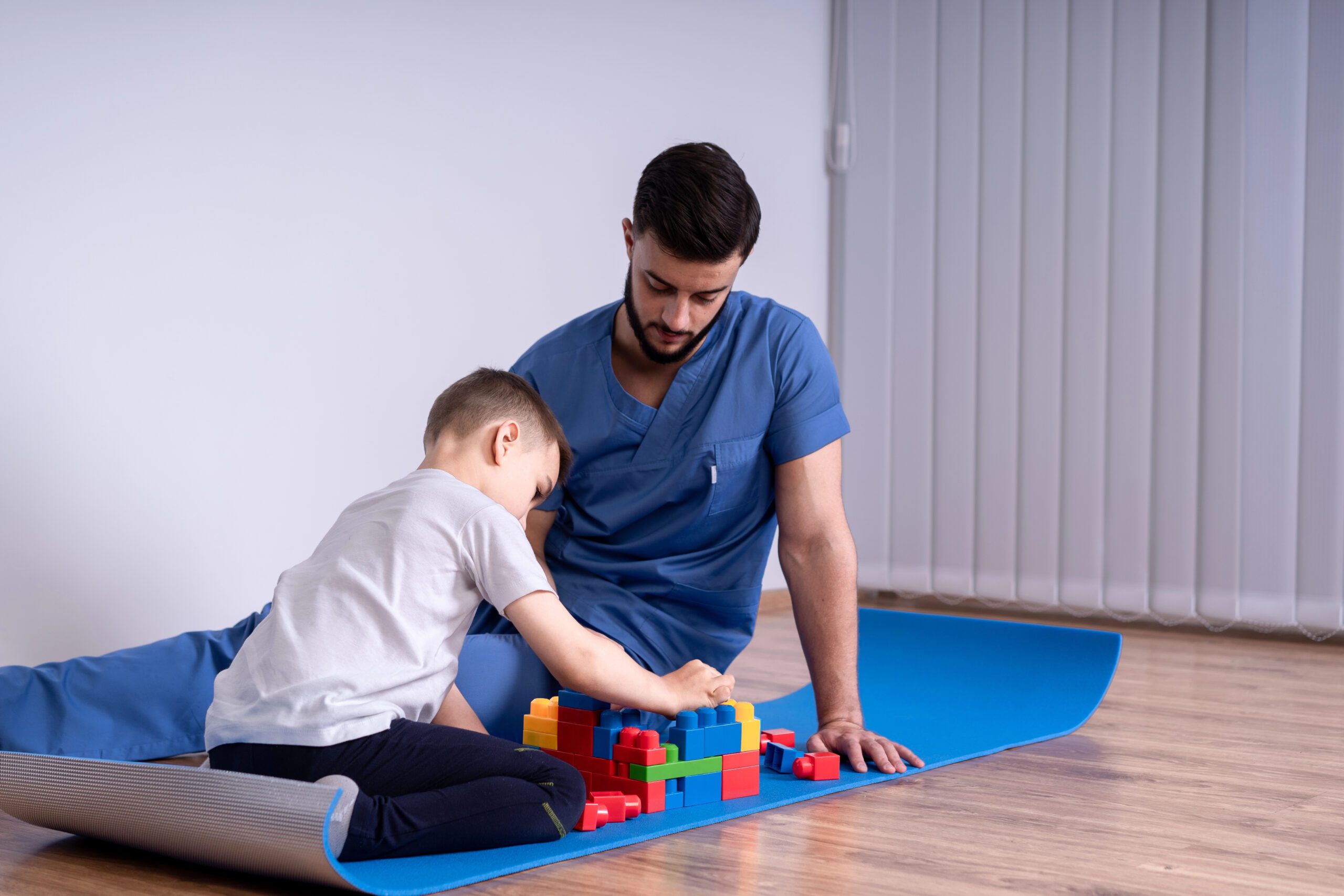
Every pediatric physical therapy journey starts with creating a safe, welcoming space. Therapists in Trophy Club understand the importance of meeting each child where they are emotionally and physically. Initial sessions often focus on simple, enjoyable activities—rolling a ball back and forth, imitating animal movements, or walking along a taped line. These exercises aren’t random—they’re designed to spark engagement, build trust, and gently introduce social exchange.
Step 2: Targeted Motor Goals That Build Social Skills
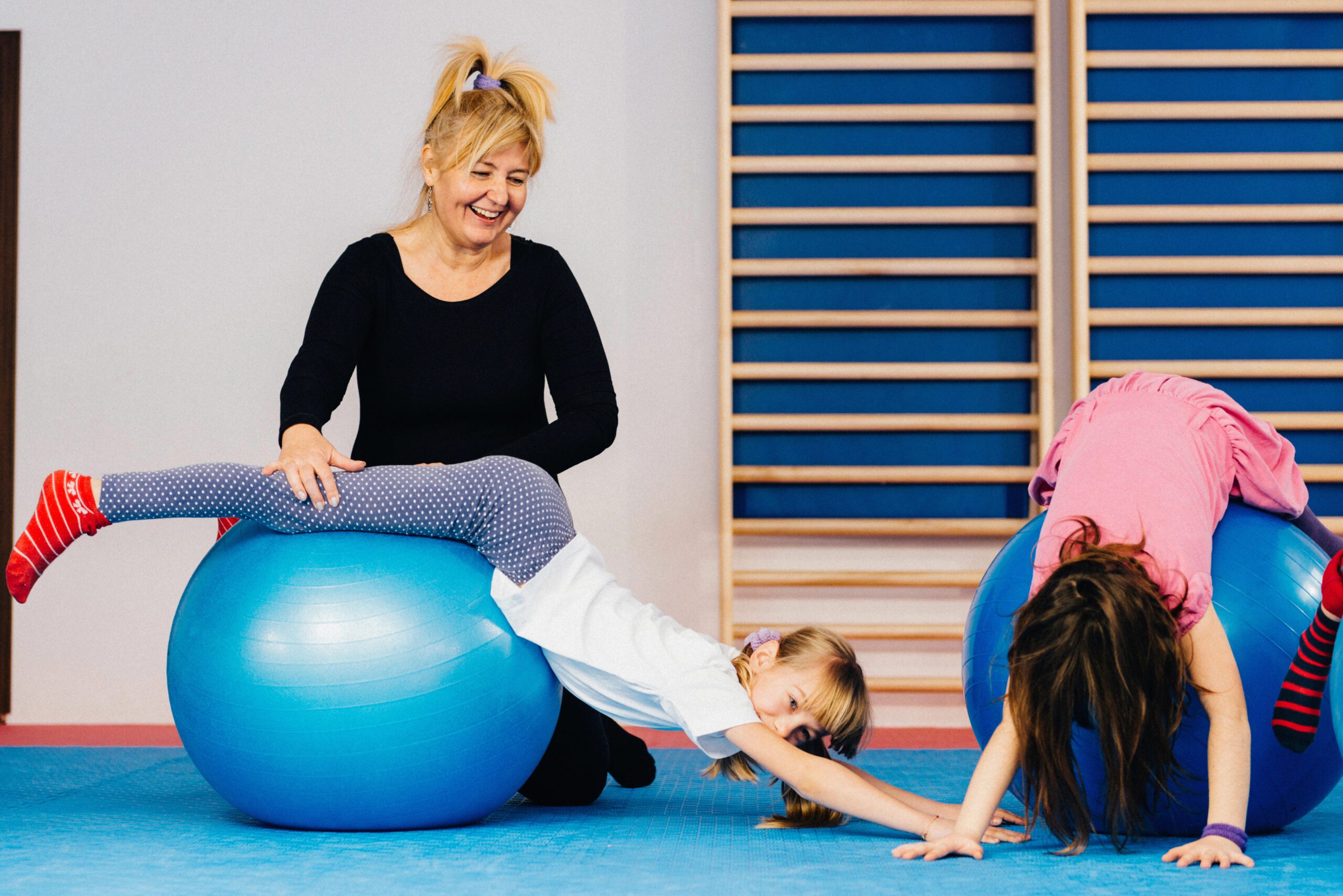
Once trust is established, therapists begin introducing more structured activities aimed at promoting both motor skills and social interaction. For example:
- Partner-based games (e.g., tossing a ball to a peer)
- Group relay races that require cooperation
- Obstacle courses that incorporate turn-taking
- Mirror exercises for imitation and attention
These movement-based sessions help children understand personal space, wait their turn, and share tasks—all foundational aspects of social communication.
Step 3: Repetition and Real-Life Application
Social and motor skills alike require practice. Physical therapists use consistent routines and gradual progressions to help children internalize new skills. What starts as a game of rolling a ball in the clinic can translate to playing catch with a sibling or classmate. Jumping over hurdles becomes the confidence to participate in P.E. or dance class. Over time, these physical milestones in autistic children build confidence, resilience, and openness to social interaction.
Physical Therapy Benefits for Autistic Children in Trophy Club
If you’re a local parent, you might be wondering—what specific benefits can you expect from physical therapy for autism in Trophy Club? Here’s what other families are seeing:
- Improved confidence: Kids feel more capable, less anxious in group settings.
- Increased engagement: Better coordination leads to more interest in play and conversation.
- Greater independence: Physical achievements often boost self-care and daily routines.
- Better behavior: Movement helps regulate emotions and reduce meltdowns.
- Social breakthroughs: Children begin initiating and responding to social cues more effectively.
How Achievement Balance Supports Autism in Trophy Club
At Achievement Balance, we understand that every child is unique. Our autism support in Trophy Club is tailored to meet your child where they are—physically, emotionally, and socially.
What We Offer:
- Individualized assessments and therapy plans
- Certified pediatric physical therapists
- Integrated support across ABA, speech, and OT
- Parent education and home strategies
- A nurturing, sensory-friendly environment
Whether your child is just beginning their journey or building on existing milestones, our therapists are here to help them thrive—physically and socially.
Physical Therapy in Action: A Real-World Example
Let’s say your child has difficulty jumping or balancing on one foot. It might not seem like a big deal—but at recess, they may avoid playing hopscotch, skipping rope, or tag. That avoidance leads to fewer social interactions. Now imagine that after a few weeks of physical therapy, your child is not only jumping confidently but also inviting a peer to play. That single skill unlocks a world of social possibility. That’s the power of movement-based social learning—and it’s changing lives right here in Trophy Club.
Signs Your Child Might Benefit from Physical Therapy
Here are a few indicators that your child may benefit from pediatric physical therapy in Trophy Club:
- Delayed motor milestones (sitting, crawling, walking)
- Avoidance of physical play
- Frequent falls or clumsiness
- Difficulty with stairs, jumping, or balance
- Discomfort with touch, textures, or movement
- Trouble imitating actions or following movement-based instructions
If you recognize these signs, it may be time to explore autism support services in Trophy Club that include physical therapy as a key part of your child’s developmental plan.
Frequently Asked Questions from Trophy Club Parents
“Is physical therapy appropriate for young autistic children?”
Absolutely. In fact, early intervention is key. The sooner a child begins working on motor development and social skills in autism, the better the outcomes. Most children start therapy between ages 2–6, but it’s beneficial at any age.
“Will my child enjoy physical therapy?”
Most likely, yes! Therapists use fun, engaging, and sensory-rich activities that feel like play—not work. Sessions are customized to your child’s interests and comfort level.
“How do I know if my child is improving?”
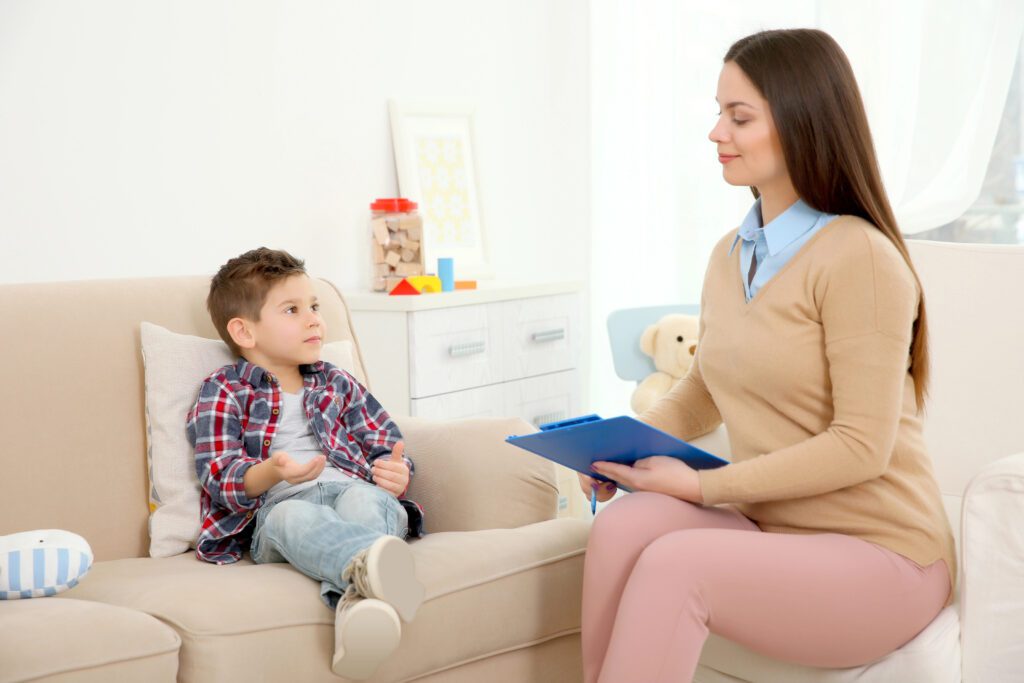
Therapists track progress through both motor and social benchmarks. You’ll receive regular updates, and many families notice gains in daily life: improved playground participation, smoother transitions, and better peer engagement.
Partner With Achievement Balance Today
If you’re searching for compassionate, results-driven physical therapy for autism in Trophy Club, Achievement Balance is here for you. We provide comprehensive, family-centered services that focus on your child’s total development, not just physical milestones but meaningful social progress as well. Located in Trophy Club, TXCall: (972) 410–5297 From crawling to connecting, jumping to joking—we help your child grow in every direction.