Why Are Sensory Exploration Stations Important for Kids?
For most parents, playtime looks like fun — messy art tables, building blocks, giggles, and movement. But for some children, play means something much deeper. It’s how they make sense of their world. For little ones who struggle with sensory processing challenges, the sights, sounds, and textures of everyday life can feel overwhelming.
That’s where ABA therapy and sensory exploration stations for sensory regulation in 3-year-olds come in — thoughtfully designed play experiences that help children find calm, build focus, and develop self-regulation through play.
What Are Sensory Exploration Stations?
A sensory exploration station is a safe, playful space filled with opportunities to touch, move, listen, and explore. These areas are designed to gently stimulate a child’s senses — helping them learn how to organize and respond to sensory information in a positive way.
In many sensory integration preschool programs or therapy environments, sensory exploration is part of each day’s rhythm. Children might start their morning by squishing playdough, pouring sand through funnels, or rolling on mats. To an adult, it looks like play. But for a child’s developing nervous system, it’s essential learning.
Some examples of what you might find in a sensory station:
- A texture bin filled with rice, beans, or water beads for tactile exploration.
- A quiet corner with soft lighting and plush toys to promote calm.
- Movement activities like tunnels, swings, or balance beams for body awareness.
- Sound and light play — gentle chimes, shakers, or color-changing lamps.
These setups encourage children to explore safely — and over time, their brains learn how to better process sensory information.
Why Sensory Regulation Matters So Much at This Age?
At around age three, a child’s brain is in a rapid state of growth. They’re learning to manage big emotions, share space with others, and adapt to structured environments like preschool. When the sensory system is still developing, things that seem simple — like loud noises, bright lights, or certain clothing textures — can feel “too much.”
This can lead to:
- Frequent meltdowns or tantrums.
- Avoidance of messy play or new experiences.
- Difficulty sitting still or focusing.
- Trouble transitioning between activities.
Sensory exploration stations create a bridge between overwhelm and comfort. By engaging the senses in a structured, safe way, they help children practice calming strategies, improve attention, and feel more confident in their world.
The Science Behind Sensory Integration
In a sensory integration preschool program, therapists design play-based activities that build the brain’s ability to organize sensory input. Every time a child jumps, squeezes clay, or listens to a new sound, their brain is making connections — strengthening pathways that support focus, coordination, and emotional control. The goal isn’t to eliminate sensory sensitivity, but to help the brain handle it better.
When the sensory system feels balanced, children can:
- Participate more easily in classroom routines.
- Stay calmer in stimulating environments.
- Express emotions in healthier ways.
- Build the foundation for reading, writing, and social play.
Examples of Engaging Sensory Exploration Stations
Here are a few sensory station ideas used in preschool and home environments:
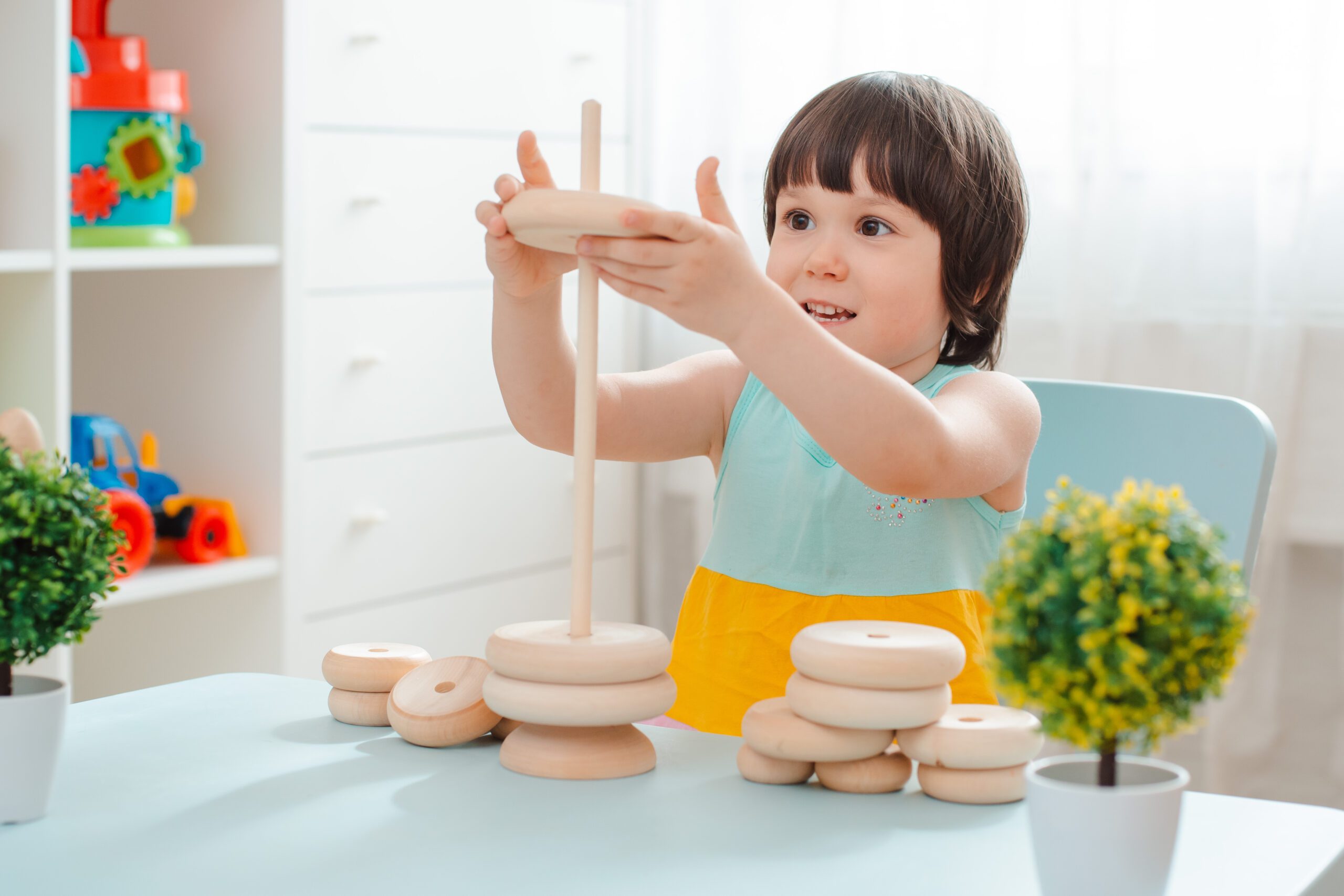
- Tactile Discovery Table – Fill bins with soft rice, smooth stones, or textured fabrics. Encourage your child to dig, scoop, and sort.
- Movement Zone – Add mini-trampolines, tunnels, or rocking chairs to support body awareness and balance.
- Calm-Down Corner – Use weighted blankets, soft pillows, or gentle lighting to create a safe space when your child feels overstimulated.
- Water Play Area – Water tables with cups, spoons, and funnels can soothe and strengthen fine motor skills.
- Sound Garden – Let your child explore soft music, bells, or rhythm instruments to build auditory regulation.
Each of these stations helps children learn what kinds of sensations calm or energize them — a key part of developing sensory regulation.
How Parents Can Bring Sensory Play Home?
You don’t need fancy equipment to help your child regulate their senses. Small, intentional activities make a big difference.
Try these ideas:
- Texture exploration: Cooked pasta, kinetic sand, or playdough can keep little hands busy while calming the mind.
- Movement breaks: Simple activities like jumping, dancing, or animal walks between quiet tasks can prevent overwhelm.
- Calm corner: Create a cozy space with books, a favorite stuffed toy, and soft lighting for emotional reset moments.
- Outdoor sensory time: Nature offers a built-in sensory playground — grass underfoot, wind on the face, and birdsong in the background.
If you’re unsure where to start, you can always consult with the Achievement Balance ABA Therapy team for guidance. Our specialists help families create personalized strategies that support each child’s sensory and emotional growth.
When to Seek Extra Support?
Every child develops at their own pace. But if you notice frequent meltdowns, extreme sensitivity to sounds or touch, or difficulty with transitions, it might help to talk to a pediatrician or occupational therapist.
Achievement Balance offers personalized ABA therapy that incorporates sensory play techniques into daily learning. Our team creates individualized plans to help children develop comfort, focus, and confidence in new situations.
Early support can make a lasting difference, especially during the preschool years when the brain is most adaptable.
Why Play Is the Pathway to Growth?
Play isn’t just recreation; it’s your child’s language of learning. Through playful sensory experiences, children develop self-awareness, confidence, and resilience. Sensory exploration stations for sensory regulation in 3-year-olds are more than just fun — they’re tools that help little ones learn to self-soothe, adapt, and thrive in school and in life.
By creating sensory-rich moments — at home, in therapy, or in preschool — you’re helping your child build the foundation for emotional balance and lifelong learning. To learn more about how our ABA programs in Grapevine help children build sensory and emotional skills through play, contact Achievement Balance today.