
The Bridge Program in Flower Mound: Helping Children Transition Smoothly After ECI
If your child has recently finished Early Childhood Intervention (ECI), you might feel both proud and uncertain. You’ve watched your child make wonderful progress through therapy — learning new words, following routines, and becoming more confident. But now that ECI is ending, the question many parents ask is: what comes next?
This stage can be tricky. Some children are ready to move straight into preschool or kindergarten. Others, however, may still need a little extra support before they’re fully prepared for group settings, longer days, or new expectations.
At Achievement Balance in Flower Mound, we created The Bridge Program for exactly this reason — to help children keep building on the skills they developed in ECI while adjusting to more structured learning environments.
Why the Transition After ECI Feels Challenging?
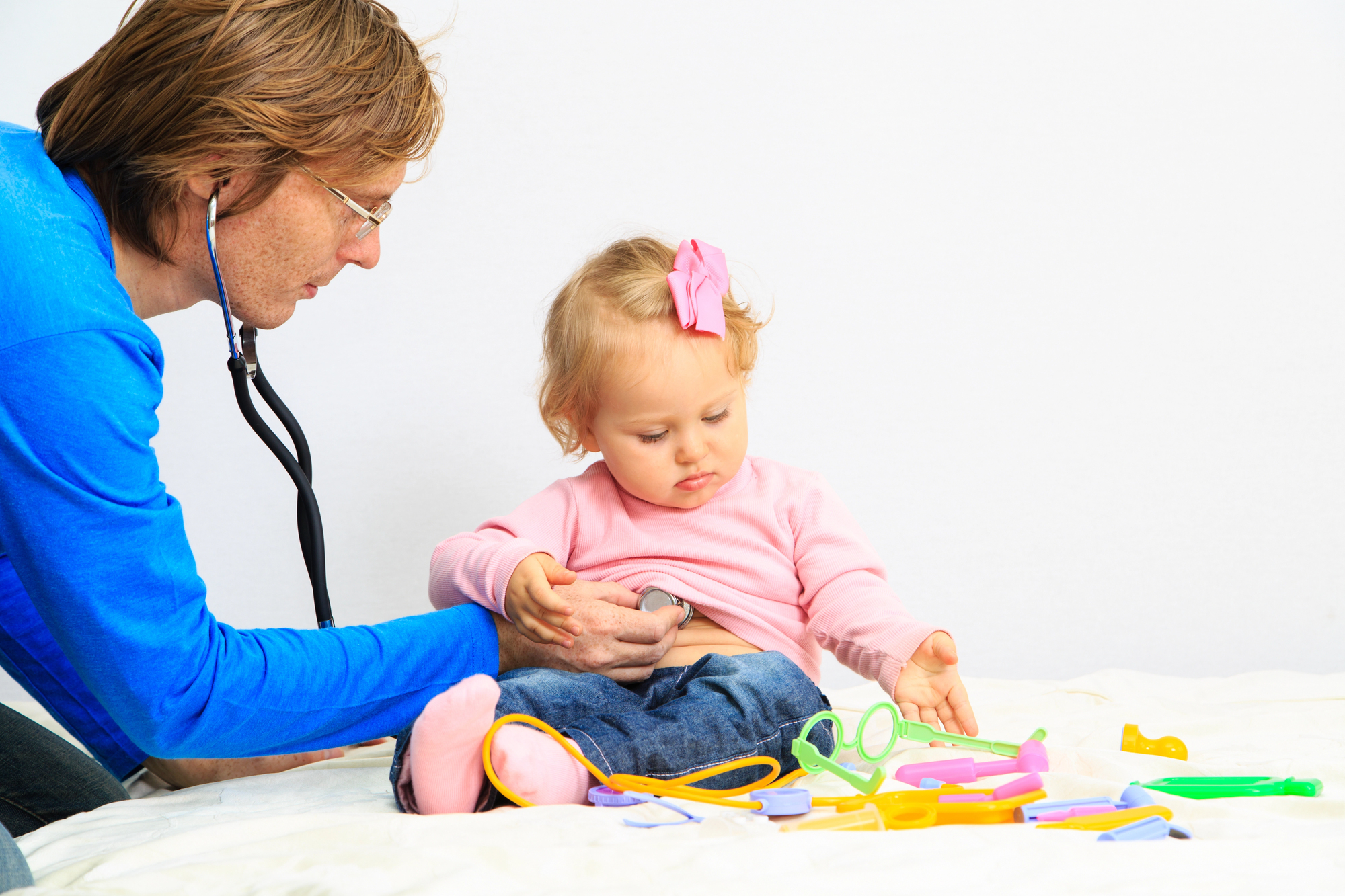
ECI is a highly supportive program. Therapists often come into your home, work one-on-one with your child, and guide you through every step of their development. When ECI ends, that level of personalized support can suddenly disappear, leaving parents feeling unsure of how to maintain progress.
For children who have communication delays, sensory sensitivities, or difficulties with transitions, that shift can feel overwhelming. Large group settings, unfamiliar teachers, and new routines may cause stress — and without continued structure, some of the progress made during ECI can fade.
That’s why a thoughtful bridge program matters. It provides a structured, nurturing space where your child can continue to grow while gradually learning how to participate in small-group environments — all under the care of skilled therapists.
What Makes the Bridge Program at Achievement Balance Special
The Bridge Program in Flower Mound combines expertise from multiple therapy disciplines — including Applied Behavior Analysis (ABA), speech therapy, occupational therapy, and physical therapy. This team approach helps your child strengthen multiple areas of development at once, creating a strong foundation for future success.
Here’s what families can expect:
1. Structure That Builds Confidence
Children thrive on predictability. Our therapists use daily visual schedules and consistent routines to help children feel secure. These routines also teach important skills like transitioning between activities, following directions, and managing time — all of which prepare children for school readiness.
2. Individualized Goals and Progress Tracking
Every child’s path looks different after ECI. Some may need help with communication, others with attention or fine motor skills. Our team sets specific, measurable goals for each child and tracks progress through ongoing collaboration with parents.
3. Small Group Settings
We keep our groups intentionally small so each child gets the attention they need. Within these groups, children practice social interaction — sharing, turn-taking, following group rules — all within a setting that feels supportive, not overwhelming.
4. Learning Through Play
Play is still one of the most powerful tools for growth. Activities like building, sorting, sensory play, and pretend games encourage problem-solving and communication while keeping learning fun and natural.
5. Parent Involvement and Communication
Parents are a key part of the process. You’ll receive updates about your child’s goals, progress, and strategies for continuing practice at home. This ongoing partnership helps make learning consistent across settings.
Why Continued Support After ECI Matters?
Ending ECI doesn’t mean your child’s journey stops — it just enters a new stage. Many children are ready for this next step but still benefit from extra structure and repetition.
Without continued therapy, children can lose confidence or struggle to adjust to the faster pace of traditional classrooms. The Bridge Program helps fill that gap, offering a gentle transition from one-on-one intervention to more independent participation.
It’s not just about maintaining skills — it’s about expanding them. For instance:
- Children learn to listen and respond during group lessons.
- They build stamina for longer play or learning sessions.
- They develop patience, emotional control, and teamwork skills.
- They start understanding how to advocate for their needs.
This steady progression gives children a head start when they do enter preschool or kindergarten.
Who the Bridge Program Is Designed For
The program is a great fit for families whose children:
- Have recently completed ECI and still need support before entering school
- Are between ages 3 and 5
- Need help with language, sensory regulation, or social interaction
- Do best in smaller, structured environments
- Benefit from consistent, hands-on guidance
If your child is showing good progress but still struggles with transitions or new routines, the Bridge Program offers a balanced next step — more structured than ECI but more flexible than a full school setting.
What a Day in the Bridge Program Looks Like?
A typical day in our Flower Mound program includes:
- Structured arrival routines, helping children settle in with confidence.
- Circle time and story activities, promoting listening and attention.
- Individual or small-group therapy sessions, focused on communication, sensory, or motor goals.
- Snack and playtime, designed as social learning opportunities.
- Parent updates to keep families connected and informed.
Every activity is intentional — each part of the day helps your child practice skills that will carry into daily life and future classrooms.
The Benefits of a Multidisciplinary Approach
Because Achievement Balance brings together different therapy specialists, children receive comprehensive support that touches every area of development.
- Speech therapists enhance expressive and receptive language skills.
- Occupational therapists help children with sensory regulation and fine motor control.
- Behavior analysts (ABA therapists) teach self-regulation, attention, and social engagement.
- Physical therapists build balance, strength, and coordination through movement-based play.
This collaboration ensures that therapy feels natural, consistent, and focused on the whole child — not just one area of development.
Building Confidence for the Next Big Step
One of the most rewarding outcomes of the Bridge Program is seeing children start to believe in themselves.
Parents often share that their child walks into new environments more willingly, communicates more clearly, and feels excited about learning. These aren’t just therapy goals — they’re milestones that reflect true confidence and readiness.
At Achievement Balance, we view this stage as one of transformation. It’s where children take all the progress made during ECI and learn to use it independently, preparing them for the structure and excitement of preschool or kindergarten.
A Smooth Transition Starts Here
If you’re in the Flower Mound area and your child is graduating from Early Childhood Intervention, you don’t have to navigate the next step alone.
Our team at Achievement Balance is here to help you plan a smooth, supportive transition through the Bridge Program. We’ll work with your family to understand your child’s strengths, challenges, and goals — then design a plan that helps them keep moving forward.
Schedule a consultation today to learn more about how the Bridge Program can help your child build confidence, strengthen skills, and prepare for lifelong learning success.