Speech Therapy for Children: Building Confidence Through Language and Connection
For parents, few things are more heartwarming than hearing your child say their first words, share their thoughts, or tell a funny story. Communication is how children connect with the world — it’s how they express needs, learn new things, and build relationships.
But when speech or language challenges make those moments harder to reach, it can be worrying. The good news? With the right speech therapy for children, remarkable progress is possible — often faster and more naturally than parents expect.
At Achievement Balance, we help children discover their voice, strengthen language skills, and feel more confident communicating in everyday life. Whether your child has trouble understanding words, expressing ideas, or following directions, speech therapy provides the tools to unlock their full communication potential.
How Speech Therapy Builds Language and Connection
Speech therapy is a specialized approach that helps children develop or improve skills related to communication. That includes how they understand language (receptive skills) and how they express themselves (expressive skills).
A speech-language pathologist (SLP) uses evidence-based methods to help children with:
- Receptive language — understanding what others say, following instructions, and processing spoken language.
- Expressive language — using words, sentences, and grammar to express thoughts and emotions.
- Speech sound production — pronouncing sounds correctly and clearly.
- Social communication — using language appropriately in different settings, such as taking turns in conversation or recognizing nonverbal cues.
In simple terms, speech therapy builds the bridge between what a child wants to say and what they’re able to say — and that bridge can change their world.
Understanding Receptive Language Challenges
Receptive language disorders are often misunderstood. A child who seems “unresponsive” or “distracted” may actually be struggling to process what’s being said.
For instance, a child might:
- Have trouble following multi-step directions (“Go get your shoes and put them by the door”).
- Not respond right away when spoken to.
- Find it difficult to understand stories or questions.
- Get frustrated or anxious in group settings where instructions come quickly.
If this sounds familiar, it doesn’t mean your child isn’t paying attention — it may mean they need extra support understanding language.
Through speech therapy for children with receptive language disorder, therapists gently break down language into smaller, more manageable parts. Over time, children build comprehension skills that help them thrive in classrooms, playdates, and family interactions.
Why Early Speech Therapy Matters?
Speech and language development in early childhood lays the foundation for everything else — from learning to read and write to making friends and feeling confident in school.
Early intervention can make a significant difference because young brains are incredibly adaptable. The earlier therapy begins, the easier it is to help children form strong language pathways and communication habits that last.
Parents often notice improvements such as:
- More eye contact and engagement
- Better understanding of routines and directions
- Clearer pronunciation and sentence formation
- Improved social participation and confidence
And most importantly — less frustration. When children can express themselves and understand others, daily life becomes more joyful and connected.
How Speech Therapy Sessions Work?
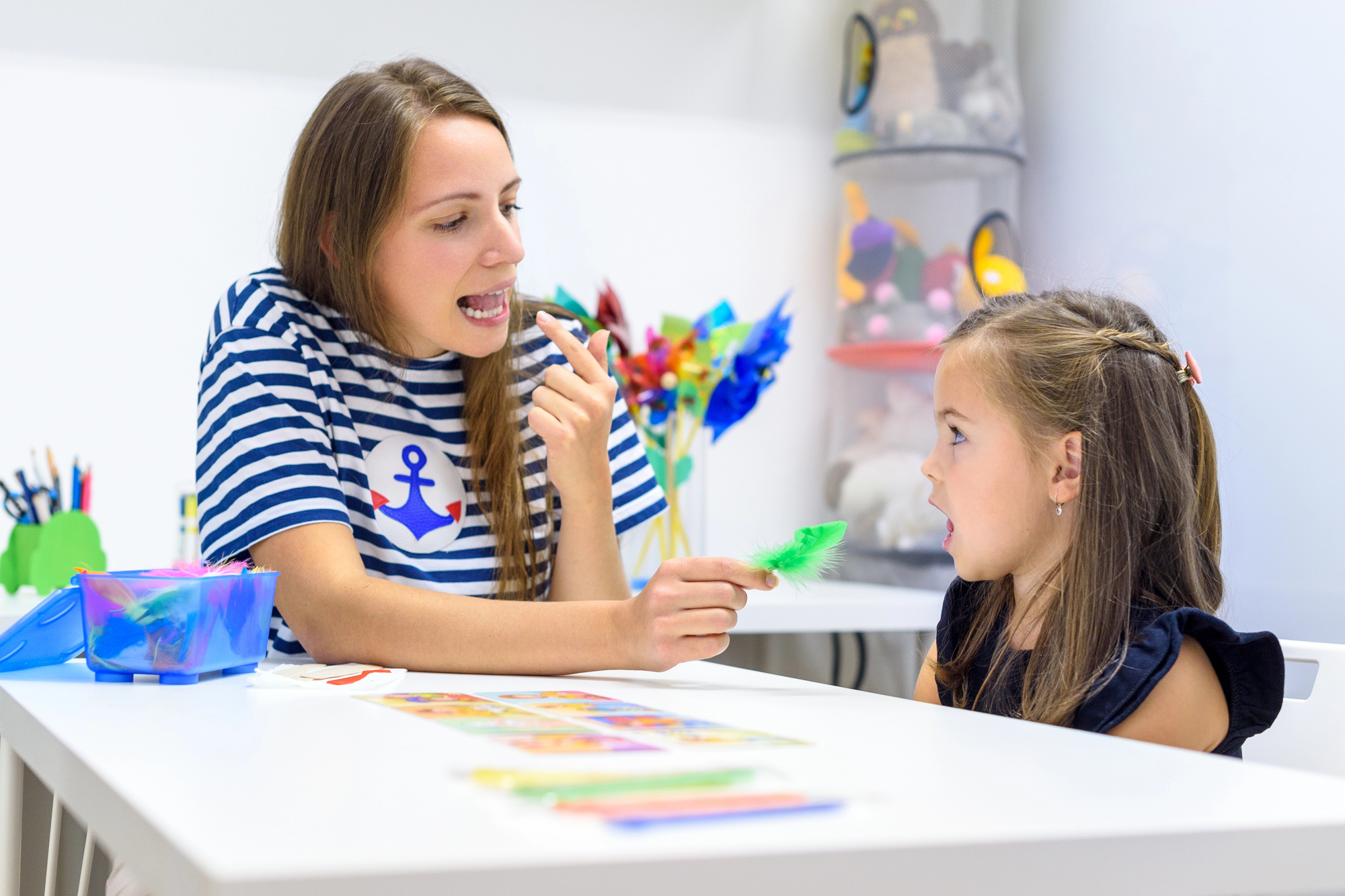
At Achievement Balance, every speech therapy session is customized to your child’s age, abilities, and goals. The process is always playful, engaging, and supportive.
Here’s a glimpse into what sessions might include:
- Play-based learning: Games, storytelling, songs, and visual aids make therapy feel fun while reinforcing language goals.
- Repetition and modeling: The therapist demonstrates sounds or words and encourages your child to imitate them in natural conversation.
- Visual supports: Picture cards, gestures, and routines help children better understand what’s being said.
- Parent participation: You’ll often be included so you can practice strategies at home — turning everyday moments into language opportunities.
This family-centered approach means therapy doesn’t end when the session does — progress continues at home, in school, and everywhere your child interacts.
Speech Therapy and Social Communication
Speech isn’t just about words — it’s about connection. For many children, especially those on the autism spectrum or with developmental differences, understanding how to use language socially can be just as important as learning to speak clearly.
Speech therapy can support:
- Turn-taking and conversation flow
- Understanding tone, emotion, and facial expressions
- Playing cooperatively and building friendships
- Problem-solving through communication instead of behavior
These skills often lead to better relationships and emotional regulation — key ingredients in a child’s happiness and success.
The Role of Parents in Language Growth
Parents are powerful partners in speech therapy. In fact, research shows that children make the fastest progress when parents actively participate and use therapy techniques at home.
Here are a few ways parents can support language growth daily:
1. Narrate everyday routines: Talk through what you’re doing — “We’re washing hands, now we’re drying them” — to strengthen receptive understanding.
2. Ask open-ended questions: Instead of “Did you like school?”, try “What was your favorite part of school today?”
3. Model, don’t correct: Gently repeat your child’s phrase correctly rather than pointing out errors.
4. Read together often: Books build vocabulary, sentence structure, and comprehension — even short daily reading helps immensely.
5. Celebrate communication efforts: Every word, sound, or gesture is progress worth noticing!
At Achievement Balance, parent coaching is part of the process. You’ll learn easy, natural strategies that blend into your family’s daily rhythm — no added stress, just meaningful connection.
Helping Children Build Confidence Through Communication
For many children, especially those who’ve struggled to express themselves, progress in speech therapy does more than improve language — it builds confidence.
As they start to communicate more clearly, you’ll notice your child:
- Participates more in playtime and group activities
- Shares ideas and feelings more openly
- Tries new words or phrases with excitement
- Feels proud of their accomplishments
These moments matter deeply. Communication is the foundation of self-esteem — and helping a child find their voice often transforms how they see themselves.
Why Families Choose Achievement Balance?
Parents trust Achievement Balance because our approach blends clinical expertise with warmth, patience, and understanding.
Our speech therapists are experienced in working with children across a wide range of communication differences, including:
- Speech sound disorders
- Receptive and expressive language delays
- Autism spectrum disorder
- Social communication challenges
- Developmental delays
We believe every child has potential — and our goal is to help them reach it through compassionate, evidence-based care.
Getting Started with Speech Therapy
If you’ve noticed that your child struggles with communication, understanding directions, or expressing thoughts clearly, now is the perfect time to take the next step.
You don’t need to have all the answers before you reach out — that’s what we’re here for. Our team will meet you where you are, explain how speech therapy works, and create a plan designed just for your child.
Contact Achievement Balance today to learn more about our speech therapy for children and how we can help your child grow, connect, and communicate with confidence.