
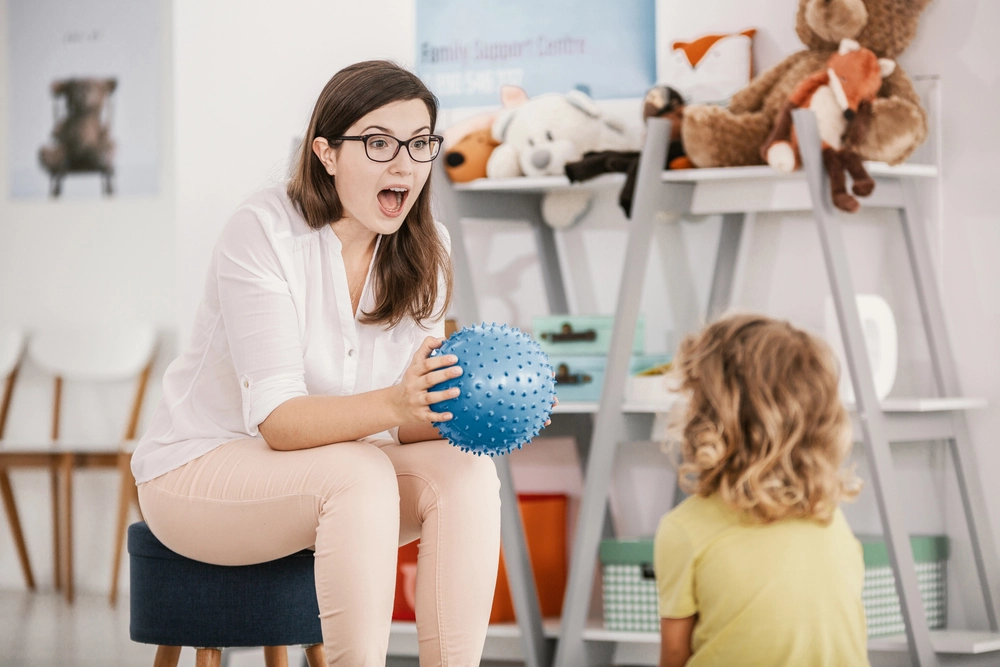
Sensory Integration Preschool: The Role of Movement and Exploration in Regulation
For many parents in Flower Mound, watching a child struggle with sensory processing can be a confusing and emotional experience. You might notice your child becoming overwhelmed by loud noises, struggling to sit still during a story, or perhaps seeking out intense movement like spinning or jumping more than their peers. These behaviors are often the body’s way of communicating a need for sensory integration.
At Achievement Balance, we understand that movement is not just about physical exercise; it is a fundamental requirement for neurological development and emotional stability. Our specialized environment features a sensory gym designed to facilitate sensory exploration in a way that promotes calm, focus, and self-regulation. By integrating these supports into our Little Sprouts program and other therapeutic services, we provide a sensory integration preschool experience that meets children exactly where they are.
Understanding Sensory Integration in the Preschool Years
Sensory integration is the process by which the brain organizes information from the seven senses: sight, sound, smell, taste, touch, and the two “hidden” senses—vestibular (balance and movement) and proprioception (body awareness). When a child’s brain efficiently processes this input, they can respond appropriately to their environment. However, when sensory processing is uncoordinated, a child may experience “sensory overload” or “sensory seeking” behaviors.
In a sensory integration preschool setting, the goal is to provide a “sensory diet” of activities that help the nervous system stay organized. This organization is the bedrock of all other learning. A child cannot focus on learning their ABCs if their brain is struggling to interpret the feeling of their clothing or the noise of a humming air conditioner.
The Purpose of a Sensory Gym in Flower Mound
A sensory gym is far more than an indoor playground. While it looks like fun—with swings, crash pads, climbing walls, and tactile bins—every piece of equipment serves a specific therapeutic purpose. For families seeking a sensory gym in Flower Mound, our facility offers a controlled environment where movement is used as a tool for regulation.
Vestibular Input: Finding Balance
The vestibular system, located in the inner ear, tells us where our head is in space and how we are moving. Swings and balance beams in our sensory gym provide the rhythmic or rotary movement necessary to stimulate this system. For some children, slow swinging can induce a state of calm. For others, intense movement helps “wake up” their nervous system so they can attend to tasks.
Proprioceptive Input: Body Awareness
Proprioception comes from the receptors in our joints and muscles. It tells us how much force to use when we pick up a cup or how to move our limbs without looking at them. Activities like “heavy work”—climbing, pushing weighted carts, or jumping into crash pads—provide deep pressure that is almost universally organizing for the nervous system.
Tactile Exploration: Desensitization and Discovery
Sensory exploration also involves the sense of touch. Our gym and classrooms include tactile bins filled with sand, water beads, or beans. This allows children to explore different textures in a low-pressure way. For a child who is “tactile defensive” (sensitive to touch), gradual exposure in a safe environment helps decrease sensitivity over time.
Why Movement Time is Essential for Calm and Regulation
In a traditional preschool, movement is often viewed as a break from learning. In our sensory integration preschool model, movement is the learning. We call this “movement time,” and it is strategically placed throughout the day to prevent sensory meltdowns and promote a “ready to learn” state.
When a child engages in purposeful movement, their brain releases neurotransmitters that help regulate mood and attention. This is particularly vital for children navigating the kindergarten transition, where they will be expected to sit for longer periods and follow complex directions. By mastering regulation in the sensory gym, they build the internal “brakes” needed for the classroom.
Sensory Exploration: A Path to Independence
Sensory exploration is about more than just feeling different textures; it is about building a child’s confidence to interact with a world that can sometimes feel overwhelming. When children are given the autonomy to explore our sensory gym in Flower Mound, they are learning how to advocate for their own needs.
They might learn that when they feel “wiggly” or frustrated, a few minutes on the indoor swing helps them feel “just right” again. This self-awareness is the ultimate goal of our therapeutic early learning activities. Instead of being at the mercy of their sensory environment, children learn to use movement as a strategy for success.
Integrating Sensory Support into the Little Sprouts Program
Our Little Sprouts program is designed as a half-day therapeutic preschool that bridges the gap between traditional therapy and a classroom setting. We don’t just send children to the sensory gym for a break; our therapists and teachers weave sensory integration preschool principles into every hour.
- Morning Meeting: Using sensory seating like wiggle cushions or weighted lap pads to help children stay grounded during group time.
- Transition Times: Incorporating “animal walks” (like bear crawls or frog jumps) between activities to provide proprioceptive input.
- Snack Time: Addressing oral sensory needs through different food textures and temperatures.
- Gym Sessions: Focused time for vestibular and proprioceptive work tailored to each child’s specific sensory profile.
By keeping the groups small and the environment structured, we ensure that every child’s sensory needs are monitored and met in real-time.
The Role of Achievement Balance in the Flower Mound Community
Flower Mound is a community that values high-quality education and developmental support. Families here often search for a “sensory gym in Flower Mound” because they realize their child needs more than what a standard park or gym can offer. Achievement Balance provides that missing piece: a clinical understanding of sensory processing combined with a warm, preschool-like atmosphere.
Our multidisciplinary team—including ABA therapists, speech pathologists, and occupational therapists—collaborates to ensure that the sensory exploration happening in the gym translates to better communication at home and better motor skills at school. This coordinated care is what sets our pediatric therapy center apart.
How to Support Sensory Integration at Home?
While our sensory gym provides specialized equipment, parents can support sensory integration through daily routines. Movement doesn’t have to be complicated to be effective.
- Create a “Sensory Corner”: Use bean bag chairs, weighted blankets, and soft lighting to create a retreat for when your child feels overstimulated.
- Heavy Work Chores: Involve your child in “helping” with the laundry basket or pushing a grocery cart. These proprioceptive activities are grounding.
- Outdoor Exploration: Flower Mound has wonderful parks. Encourage your child to climb, slide, and swing, as these provide natural vestibular input.
- Tactile Play: Set up a simple bin at the kitchen table with rice or water. Let your child hide small toys in the rice and find them, which builds fine motor skills and tactile tolerance.
Bridging the Gap: From the Sensory Gym to the Real World
The ultimate measure of success for a sensory integration preschool is how well the child functions outside of the clinic. When we see a child who previously could not tolerate the noise of a hand dryer in a public restroom or who used to elope (run away) when overwhelmed, begin to use their words or seek a calming activity instead, we know the sensory integration work is taking hold.
The sensory gym in Flower Mound is a practice ground. It is a safe space to fail, to try again, and to master the body’s responses. As children gain mastery over their physical selves, their emotional and social selves begin to flourish. They become more engaged in therapeutic preschool routines, more willing to try new foods, and more confident in their ability to handle the “big world” of kindergarten.
The Connection Between Sensory Regulation and Behavior
It is a common saying in the therapeutic world that “behavior is communication.” Often, what looks like a “tantrum” is actually a sensory meltdown. A child’s nervous system has been pushed past its limit, and they no longer have the cognitive ability to regulate themselves.
By prioritizing sensory integration preschool strategies, we reduce the frequency of these meltdowns. We teach children to recognize the “engine speeds” of their bodies—knowing when they are running too fast, too slow, or just right. This internal vocabulary allows them to ask for the sensory exploration they need before a meltdown occurs.
A Personalized Approach to Sensory Needs
No two children have the same sensory profile. One child might be “sensory avoidant” regarding noise but “sensory seeking” regarding movement. Another might have significant oral sensory needs but be sensitive to bright lights. This is why a one-size-fits-all preschool often fails children with sensory processing differences.
At Achievement Balance, our Little Sprouts program and our sensory gym in Flower Mound are founded on individualization. We perform thorough assessments to understand each child’s unique “sensory thumbprint.” Whether a child needs the deep pressure of a “steamroller” activity or the calming rhythm of a therapeutic swing, our staff is trained to provide exactly what is needed to foster a sense of safety and regulation.
Discover the Difference at Achievement Balance
Finding the right support for your child’s sensory needs is a journey, but you don’t have to do it alone. Whether you are looking for a sensory integration preschool to prepare your child for the future or you specifically need a sensory gym in Flower Mound to help your child find calm in their daily life, Achievement Balance is here to support your family.
Our goal is to help every child achieve their unique balance. Through movement, purposeful sensory exploration, and a multidisciplinary approach to therapy, we empower children to grow, connect, and thrive.
Is your child ready to explore, move, and grow in a supportive environment?
If you are interested in learning more about our sensory integration preschool approach or would like to tour our sensory gym in Flower Mound, we invite you to take the first step today. Our team is ready to discuss how our Little Sprouts program can provide the structured, therapeutic support your child needs to reach their full potential.
Contact Achievement Balance today to schedule a tour or consultation. Let’s work together to help your child find their calm and build a foundation for lifelong success.