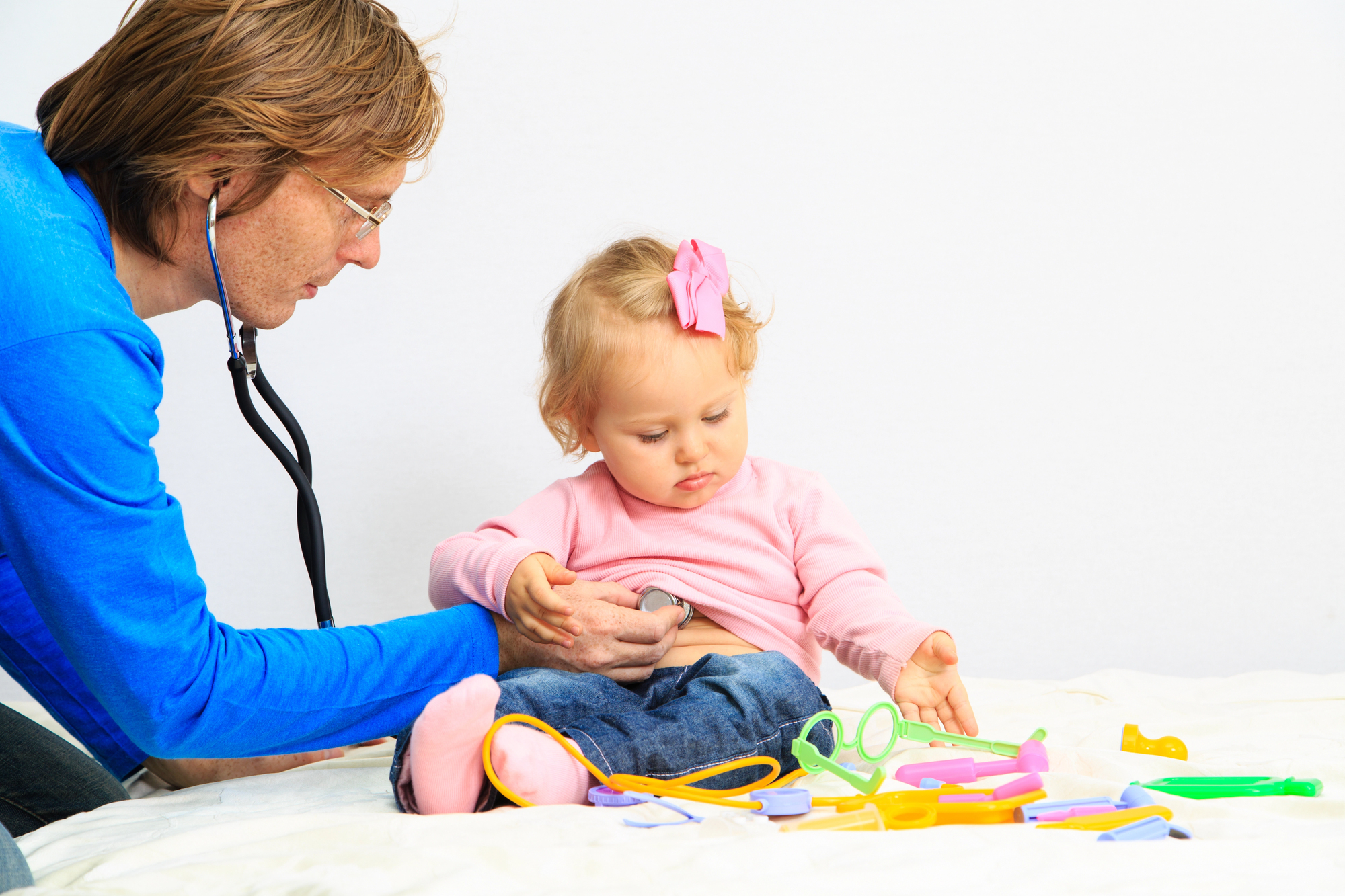

The Ultimate Parent Guide to Pediatric Speech Therapy in Grapevine
No one hands you a manual when you become a parent. Especially not one that tells you exactly when your child should start speaking or what to do if those milestones come a little later than expected.
If you’ve found yourself googling things like “speech delay in toddlers” or “how to find pediatric speech therapy in Grapevine,” you’re not alone. At Achievement Balance, we speak to parents every day who are worried, overwhelmed, and simply want to do the right thing for their child.
This guide is here to help you understand pediatric speech therapy, what signs to look for, how speech milestones really work, and—most importantly—what to do next if you’re concerned about your child’s communication development.
Let’s walk through it together.
What Is Pediatric Speech Therapy?
When people hear “speech therapy,” they often think of pronunciation or lisps. But pediatric speech therapy is so much more than that. especially for toddlers and children with developmental delays or autism spectrum disorder.
At its core, pediatric speech therapy helps children:
- Understand and use language
- Improve how clearly they speak
- Learn to express their needs and feelings
- Strengthen social communication skills
- Reduce frustration by building more effective ways to interact
It can involve spoken language, of course—but it might also include nonverbal tools like gestures, picture boards, or assistive technology (AAC devices).
At Achievement Balance in Grapevine, our approach is tailored to each child’s needs. We often work with toddlers and young children who need higher levels of support, especially those with autism and other developmental challenges.
Call us to book an appointment: (972) 410 – 5297. Or visit: achievement-balance.com/
The Importance of Early Intervention
If you’re asking, “Should I wait and see?”—we get it. But the truth is, early intervention makes a huge difference, especially when it comes to speech and communication.
Here’s why:
- The brain is most adaptable in early childhood. This is when children are forming critical pathways for language, learning, and social interaction.
- Delays can impact more than just talking. When communication is hard, children may struggle with behavior, connection, and confidence.
- Starting earlier leads to stronger long-term outcomes. Children who begin therapy sooner often gain communication skills more quickly and with less effort.
And remember: you don’t need a formal diagnosis to start. If your gut says something’s off, it’s okay to reach out for a speech therapy evaluation—even if your child is still under 2 years old.
Speech Milestones: What’s Typical, and When to Be Concerned
Let’s break down speech milestones in a real-world way. These aren’t rigid checklists—but they do help you understand what most children are doing at certain ages.
Typical Speech Development:
By 12 months, your child might:
- Respond to their name
- Use gestures like waving or pointing
- Babble using different sounds (“ba-ba,” “da-da”)
By 18 months, you might see:
- Around 6–10 spoken words
- Imitation of words and sounds
- Understanding of common commands like “come here”
By 24 months, many toddlers can:
- Use 2-word phrases like “more milk” or “go outside”
- Follow simple directions
- Point to body parts or familiar objects when named
By 3 years, most children:
- Use 3–4 word sentences
- Ask basic questions (“What’s that?”)
- Can be understood by familiar listeners most of the time
If your child isn’t meeting these milestones—or if they’re regressing, avoiding interaction, or struggling to communicate—it may be time to seek an evaluation.
Signs Your Toddler May Need Speech Therapy in Grapevine
It’s one thing to know what’s typical. But what are the actual signs your child might need speech therapy in Grapevine?
Here’s what we tell parents to look out for:
- Little or no babbling by 12 months
- No clear words by 18 months
- Not combining words by age 2
- Difficulty following simple instructions
- Frustration when trying to communicate
- Lack of eye contact or social engagement
- Not pointing to objects of interest (“joint attention”)
- Not responding to their name
Many of these signs overlap with early indicators of developmental delays or autism spectrum disorder—which is exactly why early speech therapy matters so much.
If your child has already been diagnosed with autism or is being evaluated, speech therapy will likely be one of the first recommended services.
How Speech Therapy Supports Children with Autism
For many families we work with at Achievement Balance, speech therapy is a foundational part of autism support. It helps address both language development and social communication, which can be more complex for children on the spectrum.
Depending on your child’s specific needs, speech therapy might focus on:
- Building the desire and ability to communicate (even nonverbally)
- Understanding and using words meaningfully
- Using visual supports like PECS (Picture Exchange Communication System)
- Teaching basic conversation and play skills
- Supporting transitions and routines through visual cues
- Introducing alternative communication tools (like AAC devices)
We’ve seen firsthand how impactful this kind of therapy can be—especially when it’s personalized, consistent, and collaborative with the family.
What to Expect During an Evaluation
If you’re considering speech therapy, the first step is a comprehensive evaluation. At Achievement Balance in Grapevine, we make this process warm, gentle, and informative—because we know it can feel overwhelming.
Here’s what usually happens:
- Parent Interview: We’ll ask about your child’s medical and developmental history, speech habits, and concerns you’ve noticed.
- Observation: We’ll spend time engaging your child in play-based activities to understand how they communicate, both verbally and nonverbally.
- Testing (if needed): Standardized assessments may be used to measure receptive and expressive language skills.
- Plan of Care: If therapy is recommended, we’ll create a custom treatment plan outlining goals, strategies, and what to expect.
We’ll also walk you through insurance coverage, session frequency, and how you can support your child’s progress at home.
What Speech Therapy Sessions Look Like
You might be picturing a quiet room with flashcards—but modern pediatric speech therapy is much more dynamic, especially for toddlers and young children.
At Achievement Balance, therapy sessions often include:
- Play-based activities that model language and encourage engagement
- Songs, games, and toys to promote interaction
- Visual schedules or picture boards for kids with autism or language delays
- Parent coaching—so you can carry progress into daily routines
For many children, therapy doesn’t feel like “work” at all. It feels like playing with purpose.
Speech Therapy and Developmental Delays
Speech delays can happen for many reasons—and not all are tied to autism. Some children have delays related to hearing loss, motor planning issues (like apraxia), or global developmental delays.
No matter the cause, early support helps minimize frustration and prevent larger learning gaps later on.
If your child is already receiving Early Childhood Intervention (ECI) services through the state but needs more individualized or intensive speech support, private therapy through Achievement Balance can be a powerful supplement.
How to Find Pediatric Speech Therapy in Grapevine
When you’re searching for a trusted provider, here’s what to look for:
- Experience with High-Support Needs
Not all speech therapy providers are equipped to work with children on the autism spectrum or those with multiple developmental delays. At Achievement Balance, our therapists specialize in higher-acuity cases.
- Collaborative Care
Your child’s therapy doesn’t happen in a vacuum. We coordinate with other specialists like ABA therapists, occupational therapists, and your pediatrician to make sure care is cohesive and goal-aligned.
- Family-Centered Support
You are your child’s first and most important teacher. We make sure you’re equipped with tools, strategies, and updates so you can support progress at home.
- Convenient Local Access
We’re proud to offer pediatric speech therapy right here in Grapevine, with flexible scheduling and insurance-friendly support.
When to Call Us
You don’t need to wait until things feel urgent.
If you’re asking yourself any of these questions, it’s a good time to call:
- “Is my toddler talking enough for their age?”
- “Why does my child get so frustrated when they can’t explain what they want?”
- “Is this delay something they’ll grow out of—or something we need to help with?”
- “How do I find a trusted speech therapist in Grapevine who understands autism?”
Sometimes, just having a professional listen and offer next steps can be the reassurance you need.
Why Families in Grapevine Trust Achievement Balance
Parents often come to us feeling unsure—and they leave feeling empowered.
Here’s what makes Achievement Balance different:
- We specialize in autism therapy in Grapevine and surrounding areas, and high-support communication needs
- Our speech therapists are warm, experienced, and play-based
- We offer collaborative care in a compassionate, judgment-free setting
- You’ll never feel rushed, dismissed, or alone in the process
- We serve families right here in Grapevine—your community, your pace
We’ve helped hundreds of local families unlock communication, reduce daily frustrations, and bring joy back to connection.
Let’s Start the Conversation
If you’re ready to explore speech therapy in Grapevine for your toddler or young child, we’re here to guide you every step of the way. You don’t need to have all the answers yet. Just a willingness to take the next step. Contact Achievement Balance today to schedule an evaluation or speak to our care team about how we can help. Because every child deserves the chance to be heard—and every parent deserves support that’s grounded, compassionate, and built around your unique journey.
Call: (972) 410 – 5297
Got questions? Email us: inquiry@achievement-balance.com