How a Developmental Routine in Preschool Builds Confidence in Children?
For many young children, routine provides a sense of safety and predictability — two things that make learning and growth possible. For children in developmental therapy programs or preschool environments, structure isn’t just about daily schedules; it’s a foundation for building confidence, independence, and emotional balance.
At Achievement Balance, our developmental therapy services focus on helping each child thrive through individualized routines that strengthen skills, promote calm, and encourage steady progress.
Why Structure Matters in Early Development?
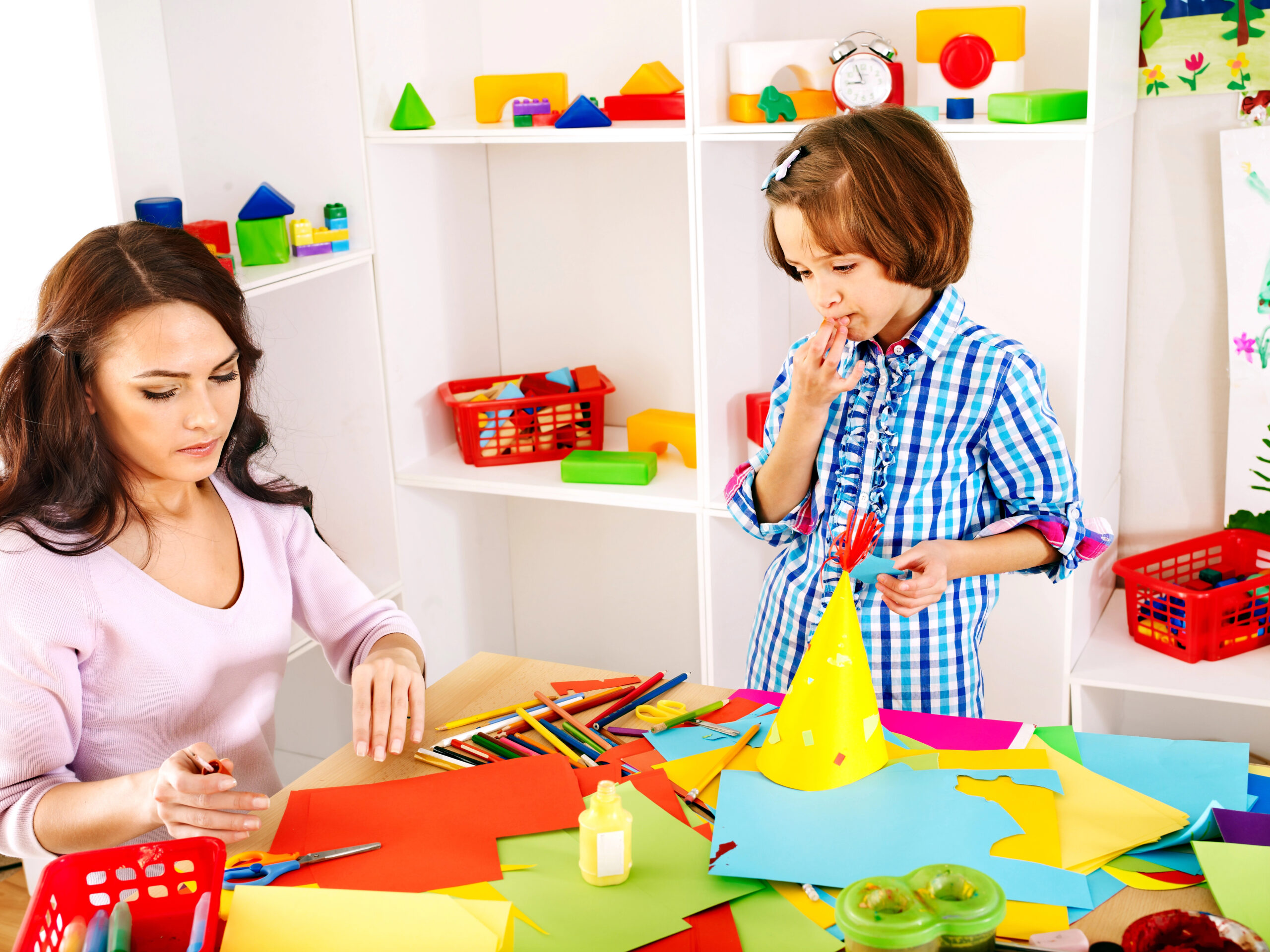
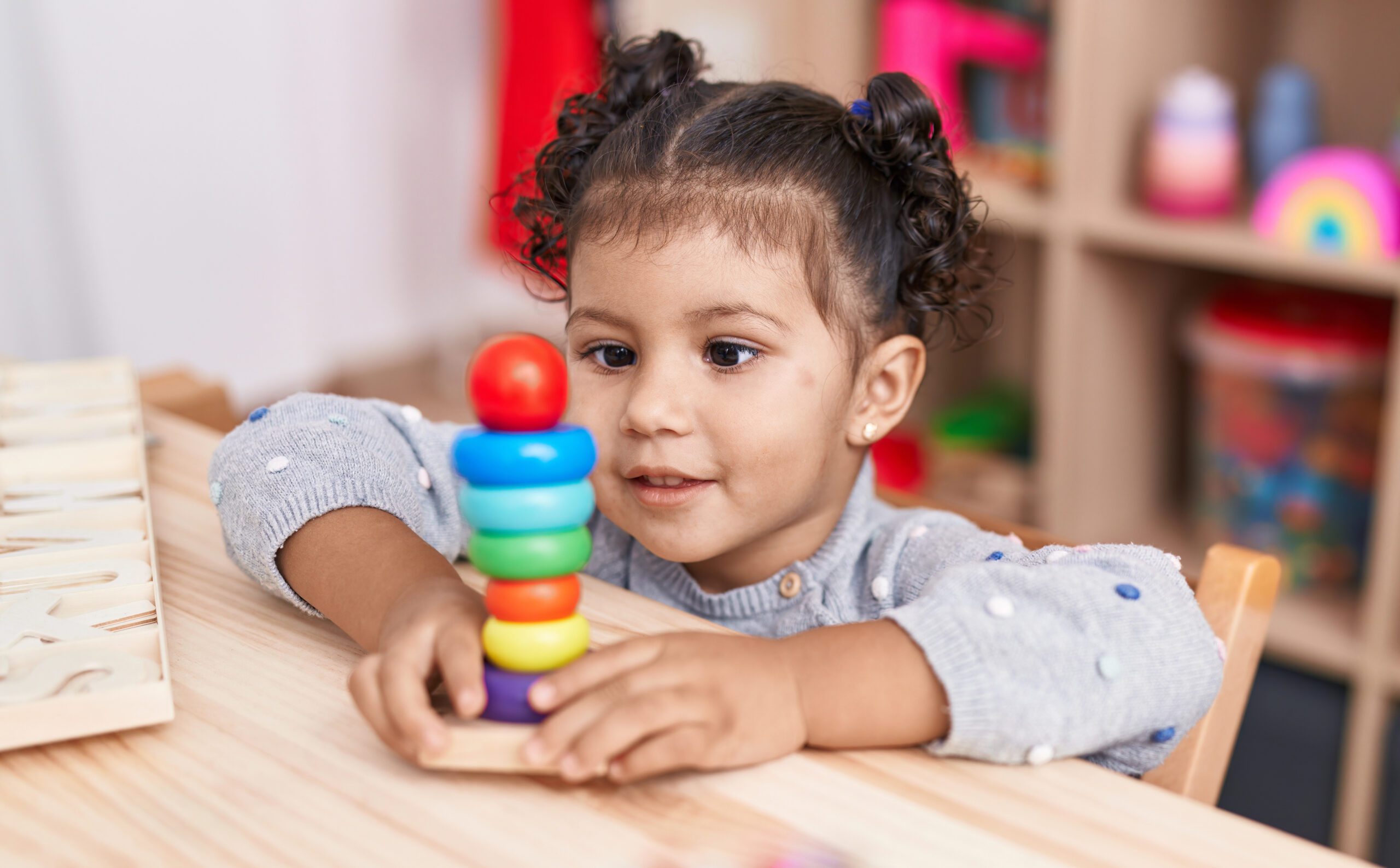
Children learn best when they know what to expect. A structured developmental routine in preschool helps children understand the flow of their day — when it’s time to play, when it’s time to learn, and when it’s time to rest.
This predictability does more than organize time; it helps children feel secure enough to take small risks, explore new activities, and build social connections. Over time, that sense of safety transforms into confidence.
Structure supports:
- Emotional regulation: Predictable transitions reduce stress and meltdowns.
- Cognitive development: Children can focus better when their brains aren’t managing uncertainty.
- Social participation: Knowing what comes next encourages cooperation and participation in group settings.
How Developmental Routines Build Confidence?
Confidence grows when children experience success. In developmental therapy settings, daily routines are carefully designed to meet children where they are — supporting gradual mastery of motor, communication, and social skills.
Here’s how structured routines foster confidence:
1. Repetition Reinforces Learning
Consistent practice helps children remember and apply what they’ve learned. Whether it’s a fine motor task, a social interaction, or a communication exercise, repetition builds familiarity and pride in achievement.
2. Clear Expectations Reduce Anxiety
When children know what’s expected, they can focus on the task itself rather than worrying about surprises. Visual schedules, gentle transitions, and consistent cues all support emotional comfort and readiness to learn.
3. Predictable Environments Encourage Independence
A well-structured developmental routine in preschool gives children a sense of ownership. As they learn to anticipate each step — from snack time to group play — they begin to take initiative, participate actively, and complete small tasks on their own.
4. Celebrating Small Wins Builds Motivation
In a nurturing setting like Achievement Balance, every milestone matters. Therapists and teachers acknowledge progress, no matter how small, helping children associate effort with success — a powerful confidence builder.
The Role of Developmental Therapy Services
Developmental therapy services often integrate structured routines into daily programs, using techniques from Applied Behavior Analysis (ABA), Cognitive Behavioral Therapy (CBT), and other evidence-based approaches.
These therapies work hand-in-hand with the child’s natural environment. For example:
- ABA principles may guide routines that encourage positive behaviors through gentle reinforcement.
- Speech and physical therapy sessions follow predictable sequences that help children prepare and engage.
- Cognitive behavioral strategies help children recognize and manage emotions within daily routines.
Each routine is personalized — not rigid — designed to help children gain confidence through consistency and success.
Practical Ways Parents Can Support Structure at Home
Creating a developmental routine at home doesn’t require strict schedules or complex systems. The key is consistency and predictable patterns that support your child’s individual needs.
Here are some ideas that align with Achievement Balance’s approach:
- Start with morning and bedtime routines. Simple steps like brushing teeth, getting dressed, and story time help children understand order and transition smoothly.
- Use visual cues. Picture charts or labeled bins can make routines more engaging and less confusing.
- Balance active and calm activities. Alternate playtime with quiet time to help regulate sensory and emotional needs.
- Offer choices within structure. Giving children small decisions — like choosing a toy or snack — helps them feel in control while maintaining predictability.
- Celebrate effort, not perfection. Encouragement builds internal motivation and resilience.
Building Confidence, One Routine at a Time
At Achievement Balance, we believe every child deserves a path that feels both supportive and empowering. Through developmental routines in preschool and personalized therapy sessions, children gain more than skills — they gain the confidence to engage, communicate, and grow with joy.
If you’d like to learn more about how our developmental therapy services can support your child’s progress, our team is here to help guide you every step of the way.