Autism Care for Kids in Grapevine
Jason Cravey

How Autism Therapy Supports Independence in Children in Grapevine, TX

The short answer: Autism care for kids in Grapevine, TX, focuses on building independence through Applied Behavior Analysis (ABA) therapy. This involves developing daily living skills, communication, social interaction, and emotional regulation. Achievement Balance emphasizes individualized treatment, parent training, and community-based learning to help children apply skills across various settings.
For many parents of autistic children in Grapevine, the ultimate goal of therapy isn’t just managing behaviors; it’s building a future of independence. At Achievement Balance, we understand that you’re looking for tangible outcomes: how therapy sessions translate into real-world skills like self-care, clear communication, and confident social interaction. This guide explores how autism care for kids in Grapevine can support these foundational life skills, helping children build greater independence across everyday settings.

What Does “Independence” Mean for a Child with Autism?

For a child with autism, independence means developing the functional skills to navigate daily life with increasing confidence and less reliance on constant prompting. It is a gradual, individualized journey, not about immediate self-reliance. At Achievement Balance in Grapevine, we define independence through tangible progress in areas like mastering self-care routines, clearly communicating needs, effectively managing emotions, and successfully interacting with family and peers within the Grapevine community and beyond. Building these skills can support greater confidence and participation in everyday routines while helping families support their child’s continued development. Our focus at Achievement Balance is built upon key pillars of independence:
  • Daily Living Skills: The practical abilities to perform self-care tasks, such as dressing, grooming, and feeding themselves.
  • Communication: The capacity to express wants, needs, and feelings effectively, whether through verbal speech, sign language, or assistive devices.
  • Social Interaction: The crucial skills needed to engage appropriately with others, including sharing, taking turns, and understanding personal space.
  • Emotional Regulation: The tools to identify and manage feelings like frustration, anxiety, or overstimulation in healthy, constructive ways.
Developing these interconnected skills can help children participate more independently across home, school, and community settings.

Building Essential Daily Living Skills with ABA Therapy

Applied Behavior Analysis (ABA) therapy provides a structured, evidence-based framework for teaching the essential daily living skills that form the bedrock of independence. ABA therapy can use structured teaching and positive reinforcement to break down complex, multi-step routines, such as getting dressed or brushing teeth, into smaller, achievable actions. This methodical approach ensures children master each component, building confidence with every success. Achievement Balance’s ABA therapy for children emphasizes individualized treatment, positive reinforcement, and teaching functional skills that can be applied across everyday settings. This includes skills related to communication, social interaction, daily living, and independence. Examples of daily living skills, also known as adaptive skills, that we teach include:
  • Personal Hygiene: Mastering routines like brushing teeth, washing hands, and independent toileting.
  • Dressing: Learning to select appropriate clothing and dress themselves.
  • Mealtime Routines: Developing skills such as using utensils correctly, sitting appropriately at the table, and clearing their own space after eating.
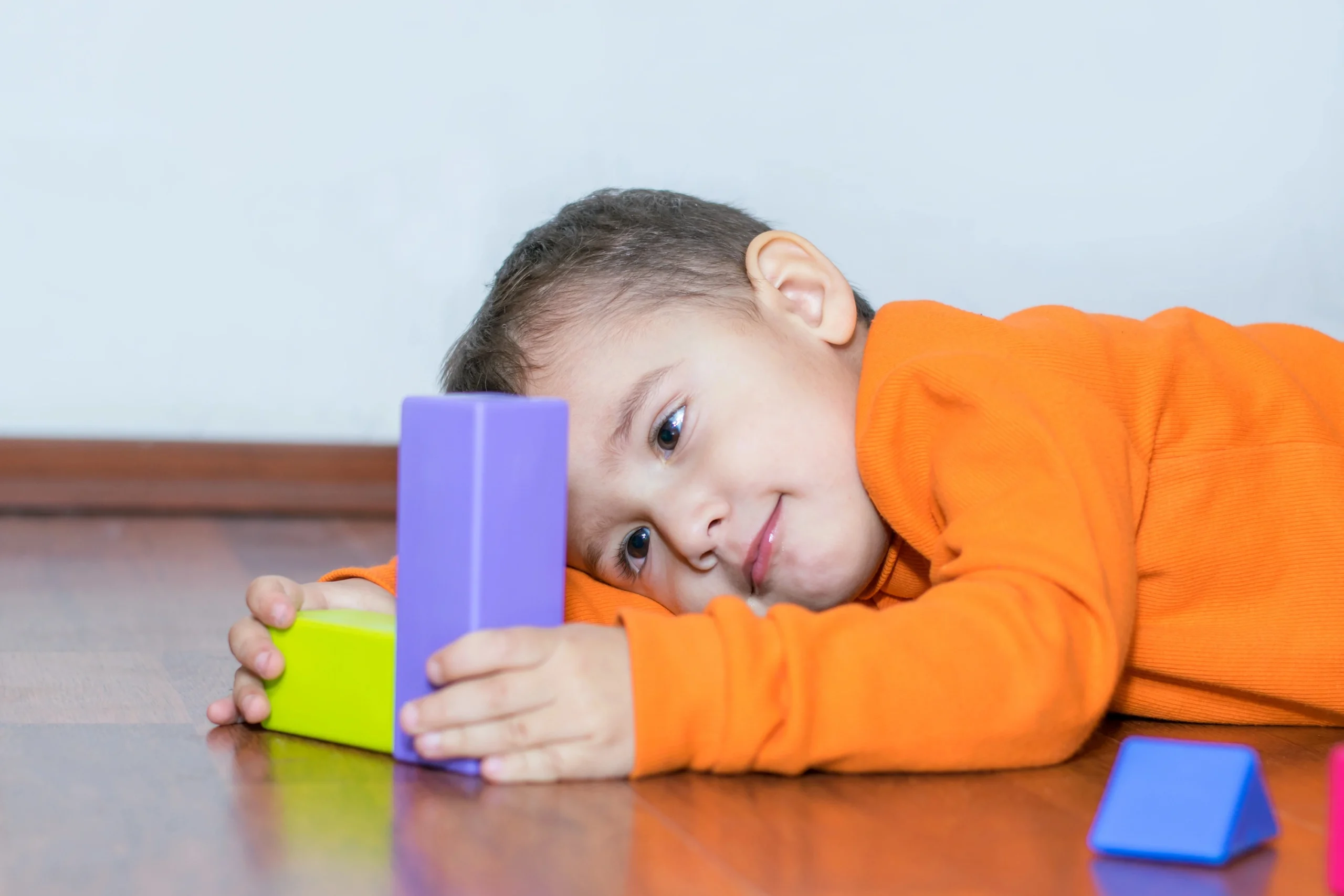
Developing these foundational abilities can help children participate more independently in everyday routines.

How Therapy Strengthens Communication and Social Abilities

A child’s ability to express their needs, wants, and feelings is fundamental to their independence and safety. At Achievement Balance, our autism therapy programs prioritize developing functional communication skills. This not only reduces frustration-driven behaviors but also opens the door to meaningful social connections. Whether your child communicates verbally or non-verbally, our goal is to equip them with a reliable way to interact with the world around them. At Achievement Balance, communication support is individualized to each child’s needs and goals. ABA therapy can support functional communication skills such as requesting, interacting with others, and expressing needs, while speech therapy for children provides additional support for communication development. Social skills are developed in parallel within a supportive therapeutic setting. Children practice essential interactions like turn-taking, sharing toys, and understanding personal space. These abilities are then carefully generalized to real-world situations, helping your child interact more successfully with peers at school or on a playground in Grapevine. Our comprehensive ABA therapy approach is designed to build these communication and social skills systematically, fostering greater confidence in diverse environments.

Fostering Emotional Regulation and Flexible Thinking

Independence extends beyond performing tasks; it encompasses managing emotions and adapting to unexpected changes. At Achievement Balance, our autism therapy helps children in Grapevine identify their feelings and develop healthy coping strategies for moments of frustration, anxiety, or overstimulation. This can help children develop skills for responding to everyday challenges with greater independence. Flexible thinking can also support independence by helping children respond to changes in routines, expectations, and everyday environments. Practicing these skills can help children apply what they learn across different settings.

The Role of Parent Training and Community-Based Learning

Skills learned through therapy can be reinforced at home and within the community, helping children apply what they learn across different settings. Family involvement is an important part of Achievement Balance’s approach, giving parents and caregivers opportunities to support their child’s development. We work collaboratively with families to support consistency across therapy, home, school, and community settings. This approach helps children practice and generalize skills beyond the therapy setting while giving families guidance and support throughout their child’s development. This involves practicing skills in natural environments, a technique known as Natural Environment Teaching. This approach allows skills to be practiced in natural, everyday situations, helping children apply what they learn beyond structured therapy sessions. Consistency between the therapy center and home life is vital for building lasting independence. Achievement Balance’s ABA therapy services involve BCBA oversight, individualized treatment plans, and family involvement to support children’s development. As children grow, their life-skills needs can evolve.

Your Next Step Toward Your Child’s Independence

Watching your child develop the skills for greater independence is a profound journey, and you do not have to navigate it alone. Every child’s needs are unique, so the first step is understanding their specific strengths and areas for growth. We recommend consulting with a qualified professional for a comprehensive assessment.