
How Multidisciplinary Therapy for Children Builds Holistic Development?
When a child’s development involves multiple areas—communication, behavior, emotional regulation, or motor skills—families often find themselves coordinating care across different specialists. This process can be overwhelming, with parents trying to ensure that each therapist is aligned with the same goals. That’s where a multidisciplinary therapy approach makes a difference.
At Achievement Balance, this model is at the heart of how care is delivered. Rather than viewing each therapy as separate, the team integrates Applied Behavior Analysis (ABA), Cognitive Behavioral Therapy (CBT), Speech Therapy, and Physical Therapy (PT) into a unified, collaborative framework that supports the whole child.
What Does a Multidisciplinary Therapy Approach Mean?
In a multidisciplinary therapy model, children receive coordinated services from different therapy disciplines—all working together toward shared developmental goals.
Instead of focusing on just one area, this approach considers how behavior, communication, cognition, and movement interact in a child’s daily life. For instance:
- A speech therapist might collaborate with a behavior analyst to encourage verbal communication during play.
- A physical therapist may coordinate with a CBT specialist to build confidence in movement and reduce anxiety in social situations.
The result is a cohesive, evidence-based plan where progress in one area supports growth in others.
The Core Therapies That Work Together
1. Applied Behavior Analysis (ABA)
ABA is a data-driven therapy often used to support children on the autism spectrum, focusing on positive behavior change, communication, and daily living skills.
At Achievement Balance, ABA principles are adapted to fit each child’s strengths and needs. Behavior analysts work closely with families to identify what motivates the child and use structured reinforcement to encourage positive outcomes.
In a multidisciplinary setting, ABA becomes the behavioral foundation that helps children apply communication, emotional, and motor skills learned in other therapies more effectively.
2. Cognitive Behavioral Therapy (CBT)
As children grow, emotional awareness and flexible thinking become key components of independence. CBT provides structured strategies to help children recognize thoughts and feelings, manage anxiety, and build problem-solving skills.
When integrated with ABA and speech therapy, CBT techniques can help older children and teens improve emotional regulation, understand social cues, and apply coping skills in real-life settings—at school, home, or in the community.
This blend of behavioral structure and emotional insight supports both functional progress and self-confidence.
3. Speech Therapy
Communication is at the center of most developmental milestones. Whether the goal is increasing vocabulary, improving articulation, or supporting receptive and expressive language skills, speech therapy helps children express themselves more clearly and confidently.
Within the multidisciplinary framework, speech therapists collaborate with ABA and CBT professionals to generalize communication skills—so that progress made in the therapy room translates into everyday interactions.
For example, a child learning to request help during speech sessions may also practice this skill during ABA-based play sessions or community outings. This consistent, real-world reinforcement builds natural communication fluency.
4. Physical Therapy (PT)
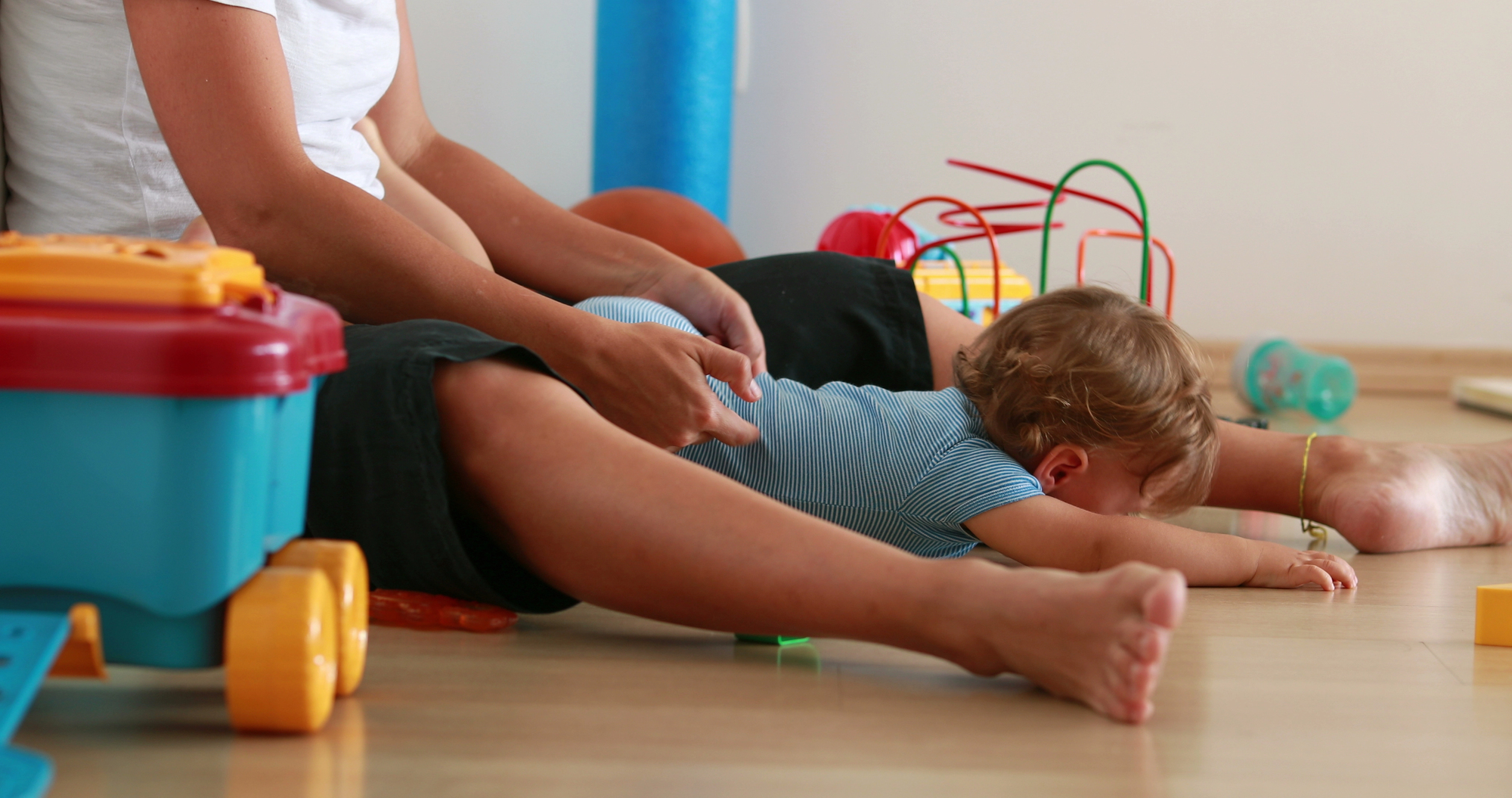
Physical therapy supports gross motor development, balance, posture, and coordination—all essential for daily functioning and participation in social and academic settings.
In the multidisciplinary setting, physical therapy also connects with emotional and behavioral goals. For instance:
- A child who struggles with balance or muscle tone may also experience frustration or avoidance behaviors that are addressed collaboratively through ABA and CBT.
- Structured physical activities can become part of behavioral reinforcement systems, promoting motivation and self-esteem through movement.
This mind-body integration is particularly valuable for children with developmental delays, autism spectrum disorder (ASD), or other neurodiverse profiles.
The Benefits of Multidisciplinary Integration
A truly integrated approach offers several measurable benefits for children and families:
- Consistent Goals Across Therapies
Each specialist contributes to a shared treatment plan, ensuring every session—regardless of discipline—moves toward the same developmental priorities.
- Holistic Progress
Children develop not only new skills but also the ability to use them meaningfully across environments—whether that’s speaking up in class, joining a game at recess, or navigating transitions calmly
- Streamlined Family Involvement
Families interact with one coordinated team, making it easier to understand progress, apply strategies at home, and stay informed
- Data-Driven Collaboration
Each discipline tracks data and outcomes, allowing therapists to adjust methods and supports collaboratively for the best results
- Increased Confidence and Independence
When communication, emotional regulation, and physical coordination work together, children naturally build confidence and autonomy in daily life.
How Achievement Balance Puts Integration into Practice?
Achievement Balance’s team model ensures that therapists are not working in isolation. Each child’s care plan is guided by:
- Comprehensive assessments to determine strengths and support needs.
- Collaborative goal setting where ABA, CBT, speech, and PT specialists align on priorities.
- Regular interdisciplinary meetings to review progress and make adjustments.
- Family inclusion in learning strategies that can be practiced at home and in the community.
This structure allows the team to deliver a continuum of care, where every new milestone is built upon coordinated expertise.
Why Families Value This Approach?
For families, multidisciplinary therapy reduces the stress of managing multiple appointments and helps them see how progress in one area supports growth in another. It’s not just about more therapy—it’s about better-connected therapy.
Parents often report that once their child’s care became integrated, communication improved not only between therapists but within the family itself. Goals became clearer, and progress became more meaningful.
A Balanced Path Forward
Child development is complex and deeply individual. There’s no single method that fits every child—but an integrated, multidisciplinary framework ensures that no part of a child’s growth is overlooked.
Whether your child is developing new communication skills, working on social confidence, or strengthening coordination, a cohesive team approach can provide the structure and consistency needed for meaningful progress.
If you’re exploring multidisciplinary therapy for children and want to understand how ABA, CBT, speech, and physical therapy can work together, the team at Achievement Balance welcomes your questions.
Reach out to schedule a consultation or learn more about how integrated care can support your child’s unique path toward achievement, balance, and growth.