How Therapeutic Early Learning Activities Build Social Skills at Little Sprouts?
At Achievement Balance in Flower Mound, the Little Sprouts program is more than a preschool—it’s a carefully designed therapeutic learning environment that helps children grow socially, emotionally, and developmentally through structured play and meaningful daily routines.
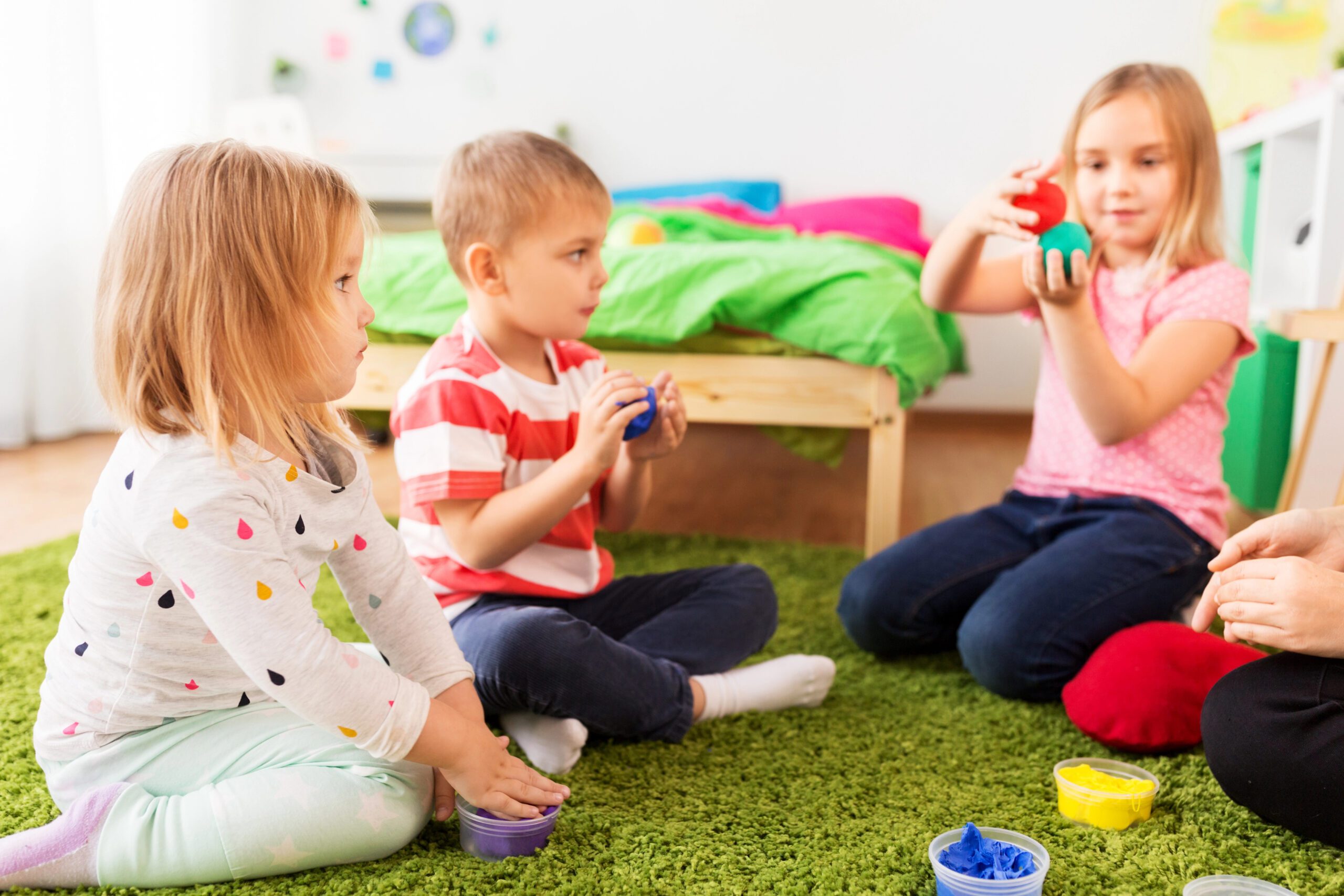
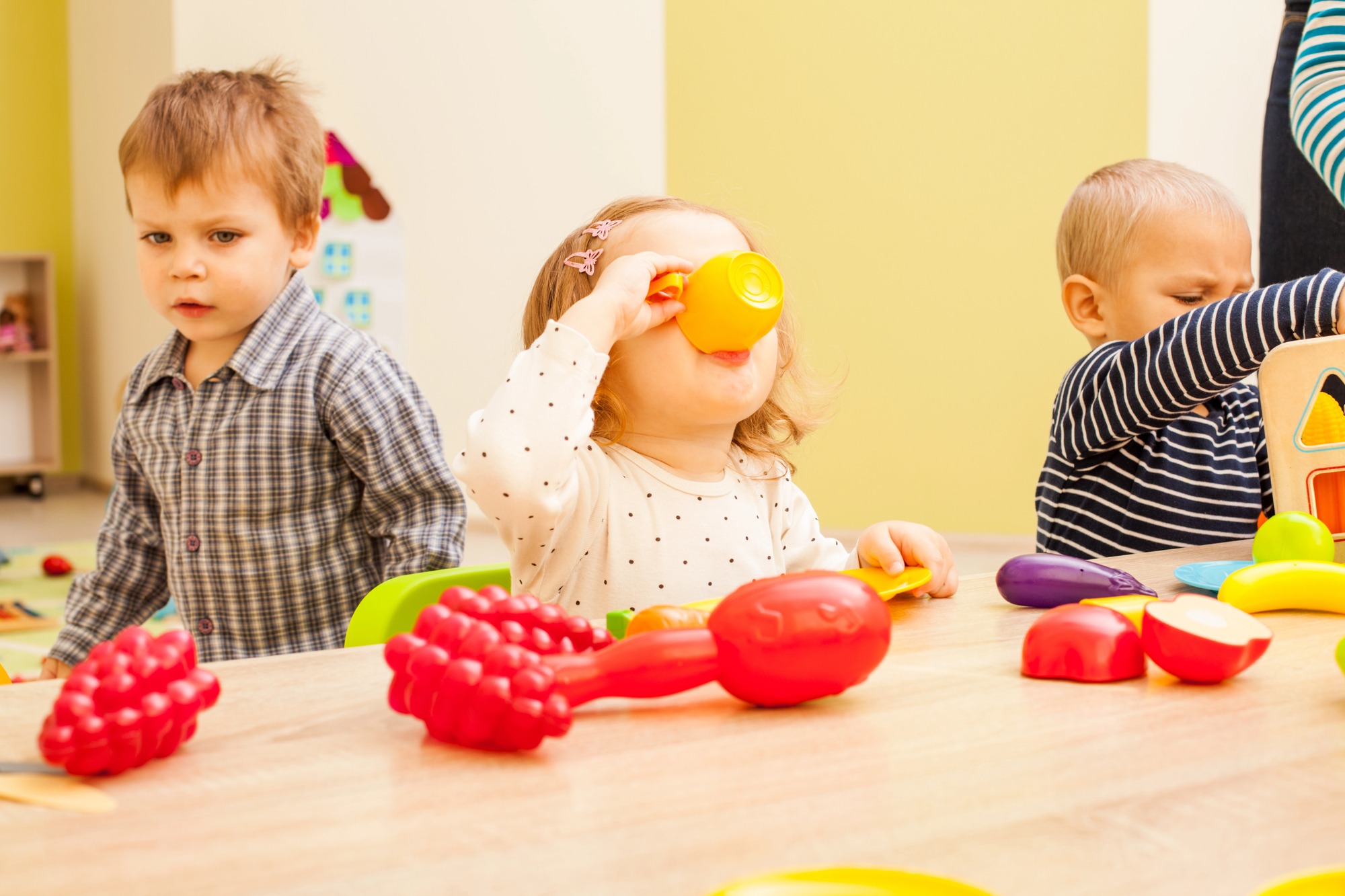
Among the many engaging parts of the day, shared snack time and pretend play sessions stand out as key examples of therapeutic early learning activities. To an observer, these moments may look like simple play or casual interaction—but in reality, they are powerful learning opportunities built on evidence-based strategies that foster communication, cooperation, and independence.
Why Social Skills Matter in Early Childhood?
For young children, especially those who benefit from extra developmental support, learning how to share, take turns, express needs, and read social cues lays the foundation for success in kindergarten and beyond.
Social development doesn’t happen overnight—it’s built through consistent, guided practice in safe and encouraging settings. That’s exactly what Little Sprouts provides: a nurturing, small-group environment where every activity is purposeful and every success is celebrated.
Through daily routines like snack time and play, children learn to:
- Initiate and maintain peer interactions.
- Practice conversation and active listening.
- Develop empathy and cooperation.
- Manage transitions and emotions.
- Gain confidence in new or group settings.
These skills not only prepare children for school—they also support long-term emotional well-being and independence.
The Power of Shared Snack Time
Snack time might seem like a simple pause in the day, but in a therapeutic preschool setting, it’s a social learning experience filled with opportunities to build communication and self-help skills.
At Little Sprouts in Flower Mound, snack time is intentionally structured to encourage positive interaction. Teachers and therapists guide children to:
- Request items or help using words, gestures, or communication devices.
- Practice turn-taking by passing snacks or waiting for their turn to pour juice.
- Follow routines such as washing hands, setting up, and cleaning up.
- Try new foods in a low-pressure, supportive environment—helping reduce sensory aversions.
- Engage in conversation about textures, tastes, or preferences to build descriptive language.
These small, consistent actions build independence and confidence while reinforcing the social norms that children will need in a classroom or group setting.
Parents often find that skills learned during shared snack times at Little Sprouts—such as using polite words, trying new foods, or waiting patiently—transfer naturally to mealtimes at home.
Pretend Play: Practicing Real-Life Skills Through Imagination
Pretend play (also called imaginative or role play) is another cornerstone of therapeutic early learning activities. It allows children to experiment with social roles, practice communication, and make sense of the world around them.
At Little Sprouts, pretend play is thoughtfully incorporated into the daily curriculum. Teachers and therapists create themed play stations—such as a kitchen corner, grocery store, doctor’s office, or classroom—where children can role-play familiar routines.
During these sessions, children practice:
- Language skills: Using expressive and receptive language to narrate roles (“I’m the doctor!”) or respond to peers (“Your turn to check the heartbeat!”).
- Social interaction: Sharing toys, cooperating in storylines, and negotiating roles—all key elements of social skills development.
- Problem-solving: Learning how to compromise and manage disagreements in a supported environment.
- Emotional regulation: Exploring different emotions in safe, imaginative contexts (e.g., caring for a “hurt” doll).
Pretend play also helps children generalize learning—what they practice in play often shows up later in real-life settings. For instance, a child who practices saying “please” or “thank you” during a pretend tea party is more likely to use those same words at snack time or at home.
How Therapeutic Early Learning Activities Work Together
What makes the Little Sprouts curriculum so effective is its integration of developmental therapy principles—ABA, speech therapy, and occupational therapy—within natural learning environments.
Instead of separating “therapy” from “school,” each day blends skill-building into everyday experiences. Whether it’s learning to follow directions during a group song, asking for help during snack time, or practicing turn-taking during a game, every interaction has a therapeutic purpose.
This multidisciplinary approach supports progress across key developmental areas:
- Language and communication
- Fine and gross motor coordination
- Social-emotional development
- Self-help and independence
Because therapists collaborate closely with teachers, the program maintains a consistent, individualized approach that helps children build confidence through repetition and success.
How Parents See the Benefits?
Parents often describe noticeable changes after their child begins participating in structured social skills preschool routines.
Children become more engaged, more expressive, and more adaptable in group settings. Daily routines like snack time teach responsibility and cooperation, while pretend play nurtures creativity and empathy. Together, these experiences empower children to feel capable, connected, and ready for their next developmental steps.
For many families in Flower Mound and surrounding areas, Little Sprouts provides that bridge between early childhood intervention and kindergarten—a safe, joyful space where learning feels like play and every milestone is celebrated.
Preparing for a Confident Start
Early childhood is a window of extraordinary growth. By combining structured routines, imaginative play, and integrated therapies, Achievement Balance’s Little Sprouts program helps children develop essential life and social skills in a nurturing, therapeutic setting.
If you’re a parent in Flower Mound seeking a preschool program that combines therapy, social skill-building, and individualized care, schedule a tour of Little Sprouts today. Discover how our therapeutic early learning activities help children grow with confidence, connection, and joy.